
 EN
EN Italiano
 Français
 Deutsch
 Polski
 Nederlands
 Español
 日本語
日本語 Čeština
 简体中文
简体中文 Русский
 Português
 한국어
한국어 Magyar
 Norsk
Norsk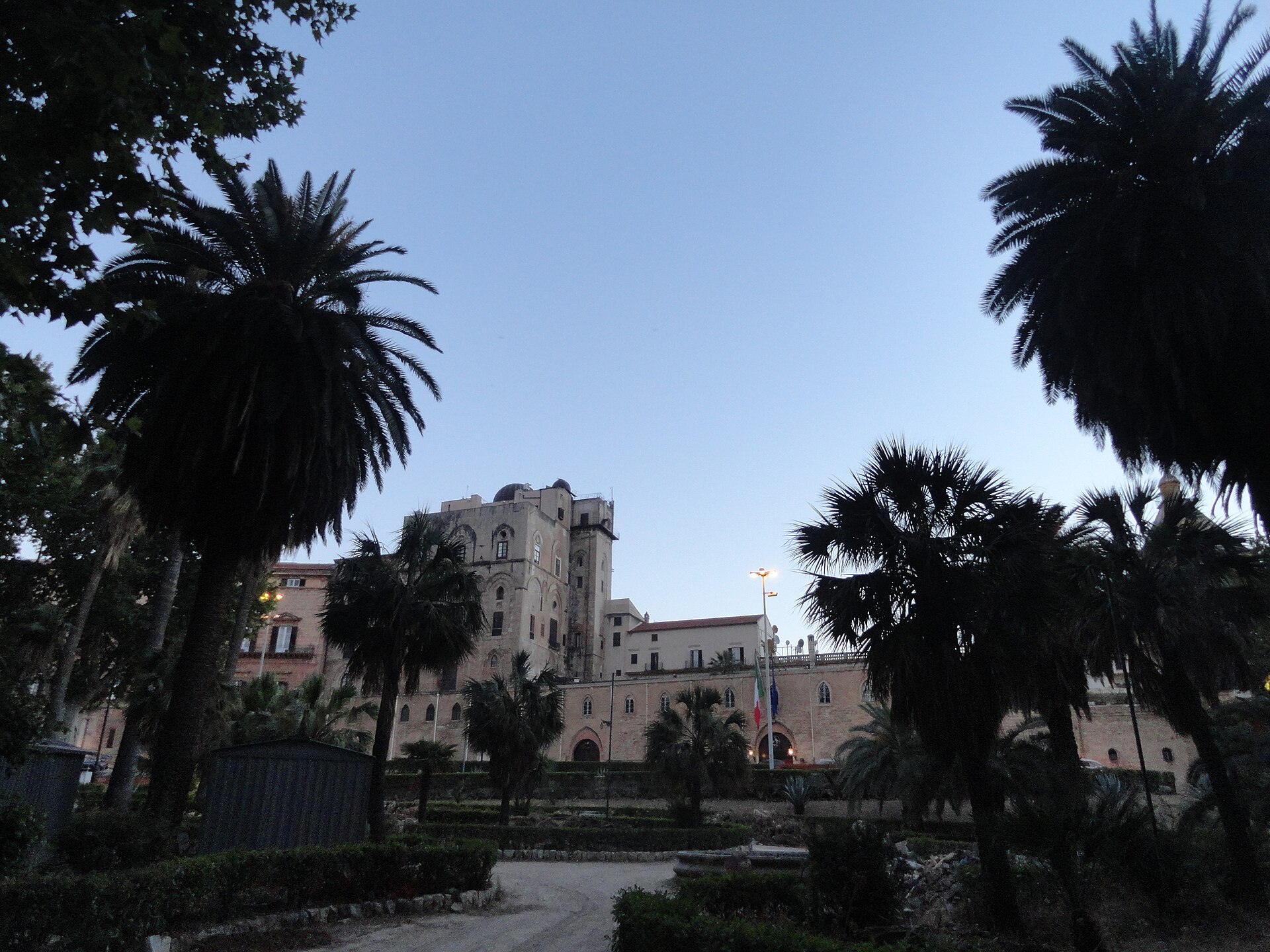
Sicilian history between the late Middle Ages and the twentieth century is made up of different governments, but also of problems that resurface in new forms. At the beginning of the fifteenth century, the stable presence of sovereigns on the island came to an end: Sicily was administered through viceroys tied to the Spanish monarchy. The change had practical effects. The most important decisions could be made far away, while officials and great local families gained weight in the territory. A political structure is not measured only by the name of the dynasty: what counts is the way it gathers resources, maintains order, fosters or hinders trade, and responds to the needs of those who live in cities and countryside.
Pirates, the Inquisition and revolts
Piracy along the coasts and banditry in the interior marked several phases of the island's life. For many peasants, insecurity could make it difficult to continue living in the countryside, while cities became places of refuge and concentration of the population. To this were added famines and imbalances in the use of land. The Sicily that in other eras had been celebrated as a great producer of wheat did not automatically guarantee well-being for its inhabitants. The value of crops and trade depended on who owned the land, who controlled the revenues, and which resources remained in local communities. The power of the barons and the role of Genoese and Spanish bankers in commerce influenced the economic opportunities of local communities.
Spanish domination also had a religious and cultural dimension. The Inquisition and intolerance toward non-Christian minorities marked a contrast with the long history of encounters that had characterized the island. The problem is not merely the repression of individual practices: when an authority establishes which ideas may circulate and which people may fully participate in public life, it changes the opportunities of an entire society. This closure reduced cultural exchanges precisely while the Renaissance was transforming other European centers. The picture requires caution, because Sicilian culture did not cease to produce works; it does, however, signal the weight of political and religious restrictions.
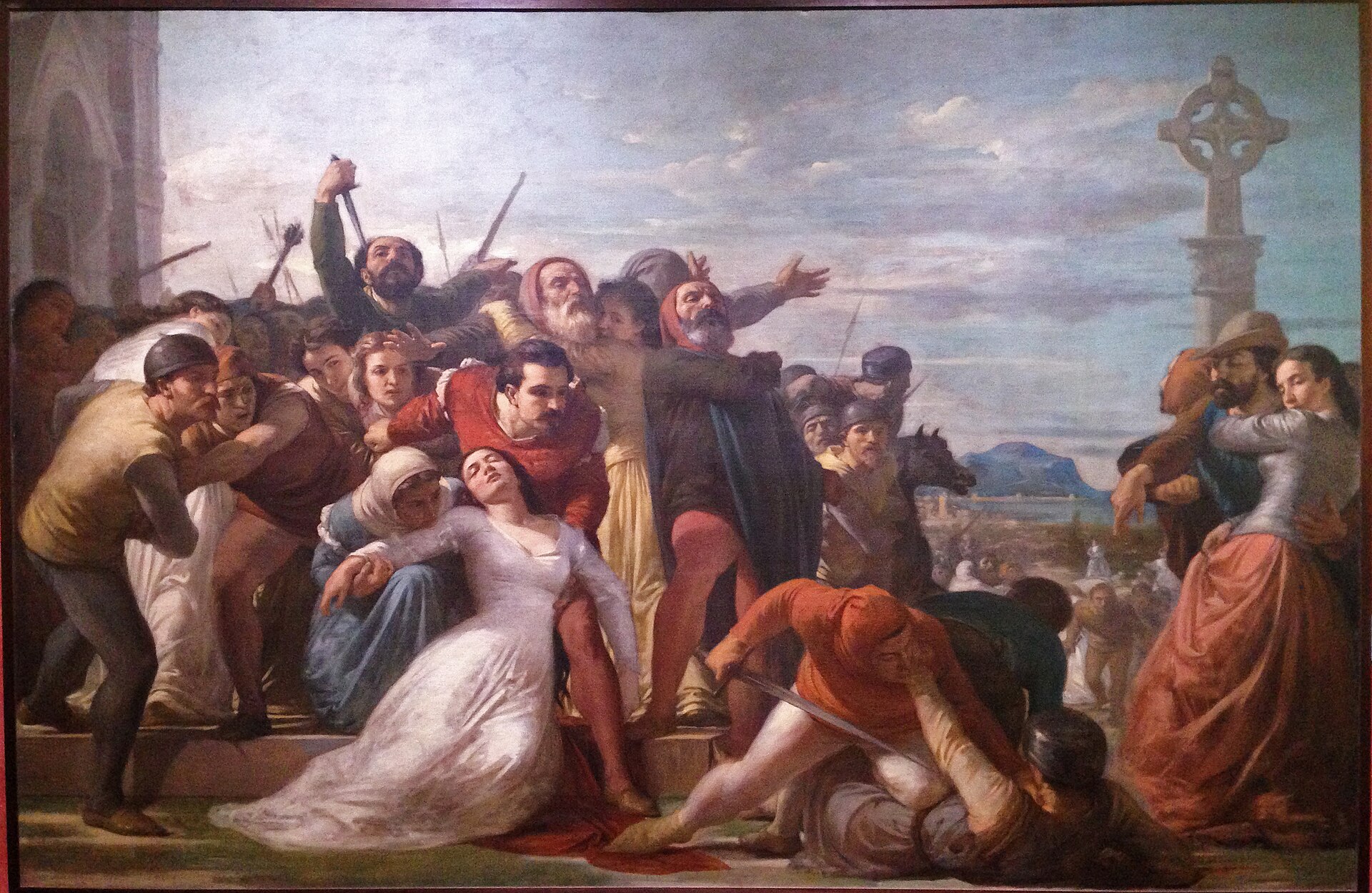
The insurrections show that the population did not passively accept the political and social situation. Uprisings are cited in the early decades of the sixteenth century and revolts in Palermo and Messina in the seventeenth century. The conditions of the two cities and the motives of the participants were not necessarily identical, but the episodes reveal recurring tensions between central authorities, ruling classes, and inhabitants. The division of the aristocracy made it difficult to build a stable and coordinated opposition. A revolt can forcefully manifest discontent and yet fail to change the system that produces it. It is one of the threads that connects many phases of Sicily's modern history.
Earthquakes and new rulers
To the political crisis were added natural events and changes in trade routes. The earthquake of 1693 struck the south of the island and left profound consequences in the cities and their monuments. The subsequent reconstructions would shape the appearance of the cities, opening the way to the Baroque architectural language that today characterizes many centers. Meanwhile, the growth of oceanic routes had reduced the role that the central Mediterranean occupied in certain trades. This does not mean that Sicily was cut off from all exchange, but that its geographical position no longer guaranteed, by itself, the same economic centrality as in other periods. Urban history and international economy meet here with particular clarity.
In the eighteenth century, European treaties shifted Sicily among different sovereigns: after the Savoys came the Habsburgs, then in 1735 the Bourbons. The island continued to interest the powers for its ports and for its position between two basins of the Mediterranean. Changing crown, however, did not amount to immediately changing the distribution of land or the weight of taxes. Many relationships between large landowners, peasants, and local authorities survived the dynastic transitions. The distinction helps in reading the century: on paper, borders and alliances changed; in the countryside, people measured government above all through rents, harvests, taxes, and the possibility of defending themselves from insecurity.
The Risorgimento and Garibaldi
In the nineteenth century, Risorgimento ideas and demands for self-government brought new mobilizations. The insurrection of 1848 produced an autonomous Sicilian government, later defeated by the Bourbon army. It is an important episode because it shows how the aspiration to decide one's own political future preceded Italian unification. Autonomy and national unity were not always experienced as coinciding ideas: different people interpreted them according to different needs and objectives. Among the Sicilian figures of the Risorgimento were Giuseppe La Farina and Francesco Crispi. Through their paths one grasps the active role of islanders in the political debate of the peninsula.
In 1860, the landing of the Thousand at Marsala, led by Giuseppe Garibaldi, opened the way to the end of the Bourbon kingdom. There followed the battle of Calatafimi, the conquest of Palermo, and the plebiscite of October of the same year; in 1861 Sicily entered the new Kingdom of Italy. The transition changed the state framework, but did not immediately resolve inequalities. The persistence of discontent also contributed to the revolt of the Fasci siciliani in 1894, inspired by socialist demands. Once again, political history must be read alongside economic conditions: a new national citizenship could coexist with poverty, difficult agrarian relations, and demands for representation that remained unanswered.
The twentieth century and autonomy
The twentieth century added wars, fascism, and emigration to an already complex picture. The landing of the Allies in July 1943 and the special statute of 1946 were two decisive stages of the contemporary phase. Regional autonomy was therefore born after a long journey, not as a sudden solution to a single conflict. In the postwar period, efforts were made to support development also through large industries and public funding, while agriculture continued to carry considerable weight. Looking at viceroys, Bourbons, the Risorgimento, and autonomy together may seem an enormous leap; the common thread is the question of who makes decisions for the island and how those decisions affect the lives of Sicilian communities.
Photo: l0da_ralta · CC BY 2.0 · Wikimedia Commons



































.jpg)