EN
 Italiano
 Français
 Deutsch
 Polski
 Nederlands
 Español
 日本語
 Čeština
 简体中文
 Русский
 Português
 한국어
 Magyar
 Norsk
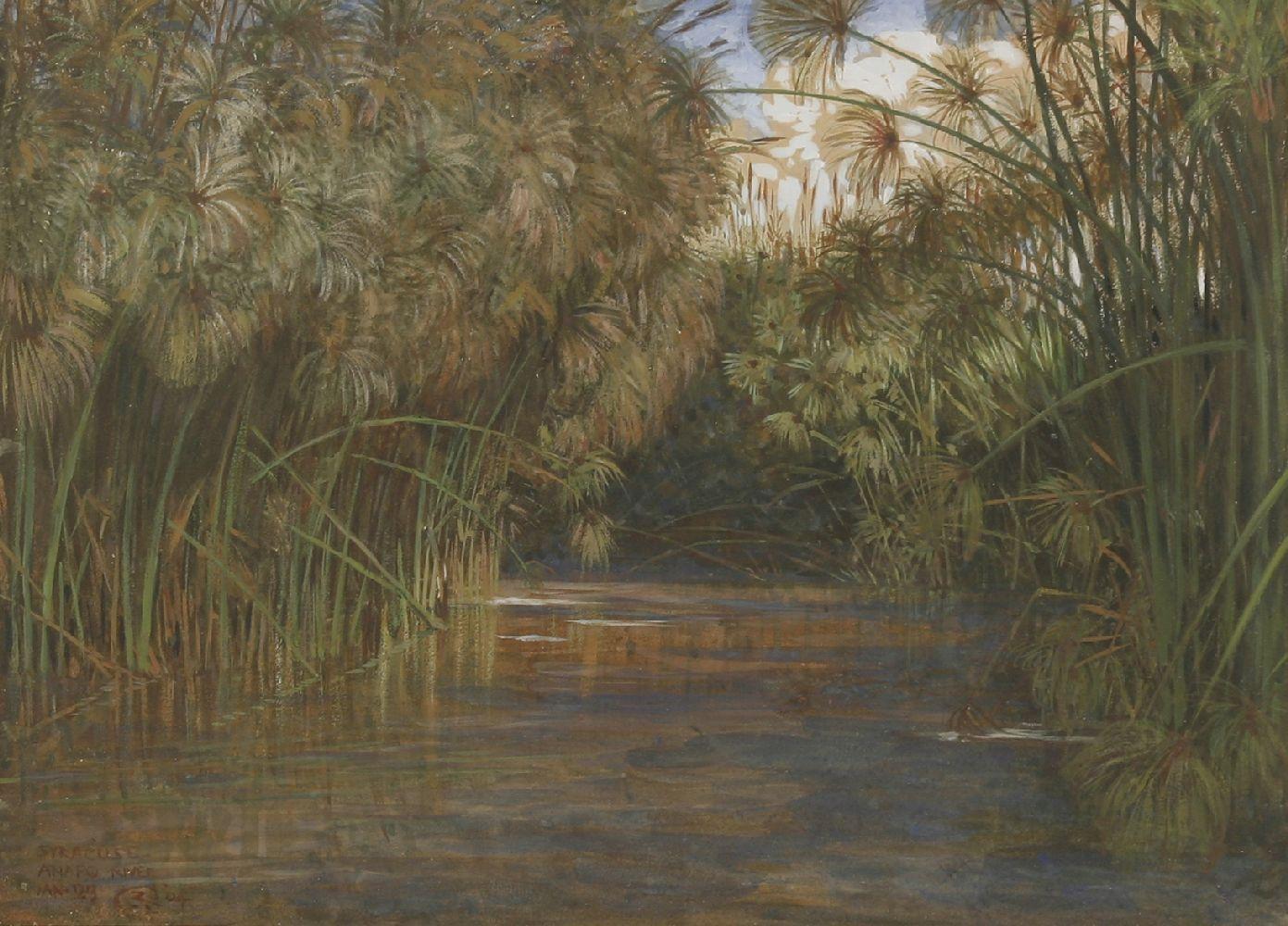
Just outside Syracuse, the Ciane River traces a freshwater landscape that meets that of the ancient salt pans. It is a short watercourse, about eight kilometres long, yet rich in natural and cultural significance. Its proximity to the city makes it possible to move within a short time from streets and monuments to vegetated banks, canals and spaces frequented by birds. This transition is the first reason for interest. The Ciane should not be read merely as a curiosity to add to a day of sightseeing: it is a key to understanding the relationship between Syracuse, its waters and the wetlands surrounding the port.
The myth of Cyane
The Ciane was already known in antiquity, when its waters were associated with the cult of Persephone. The tale of the nymph Cyane, who tried to oppose the abduction of the goddess, is also linked to the river. The myth does not describe the scientific formation of the watercourse; it does, however, explain why a spring and its banks acquired such a powerful symbolic value. For those who walk the area today, the bond between name, story and place adds depth to the landscape. Water was a concrete resource, but also an element through which the ancients gave shape to their own stories. Here cultural memory and observation of nature meet without having to be confused.
Papyrus and the river plants
The best-known plant along its banks is papyrus. The presence of tall stems crowned with green umbels makes the Ciane immediately recognisable and creates a perspective different from that of ordinary marsh reeds. Papyrus grows where water and soil provide suitable conditions; seeing it along the river helps one understand how specific the riparian environment is. It is one of the defining features of the route. Pausing to observe its structure, without tearing the stems, allows one to grasp the relationship between submerged roots, stalks and crown. The plant is not an exotic ornament: it participates in the shaping of the banks and offers shelter to small organisms.
Alongside papyrus, one finds water celery, watercress, lake club-rush, common reed and yellow flag iris. The names describe a vegetation distributed according to water depth and soil consistency. Some species live near the edge, others tolerate waterlogged ground or emerge from shallow water. Poplars and willows add shade in suitable stretches. Observing this succession is a way of reading the river in cross-section: flowing water, damp margin, grassy belt and trees are not separate spaces, but parts that influence one another. Where vegetation is continuous, the banks offer more opportunities for refuge and feeding to wildlife.
Birds and salt pans
Birds find resting places in the Ciane and the nearby salt pans and, for some species, nesting sites. The freshwater of the river and the brackish or saline waters create different conditions within a short distance. This contrast heightens the interest of the area: an animal may use one stretch to feed and another to rest. It is not necessary to know every species to notice the phenomenon. It is enough to compare the shapes of beaks, the way birds move among the plants and their choice of waters. A patient observer can discover that an apparently tranquil landscape is crossed by continuous movements, many of which take place without immediately attracting attention.
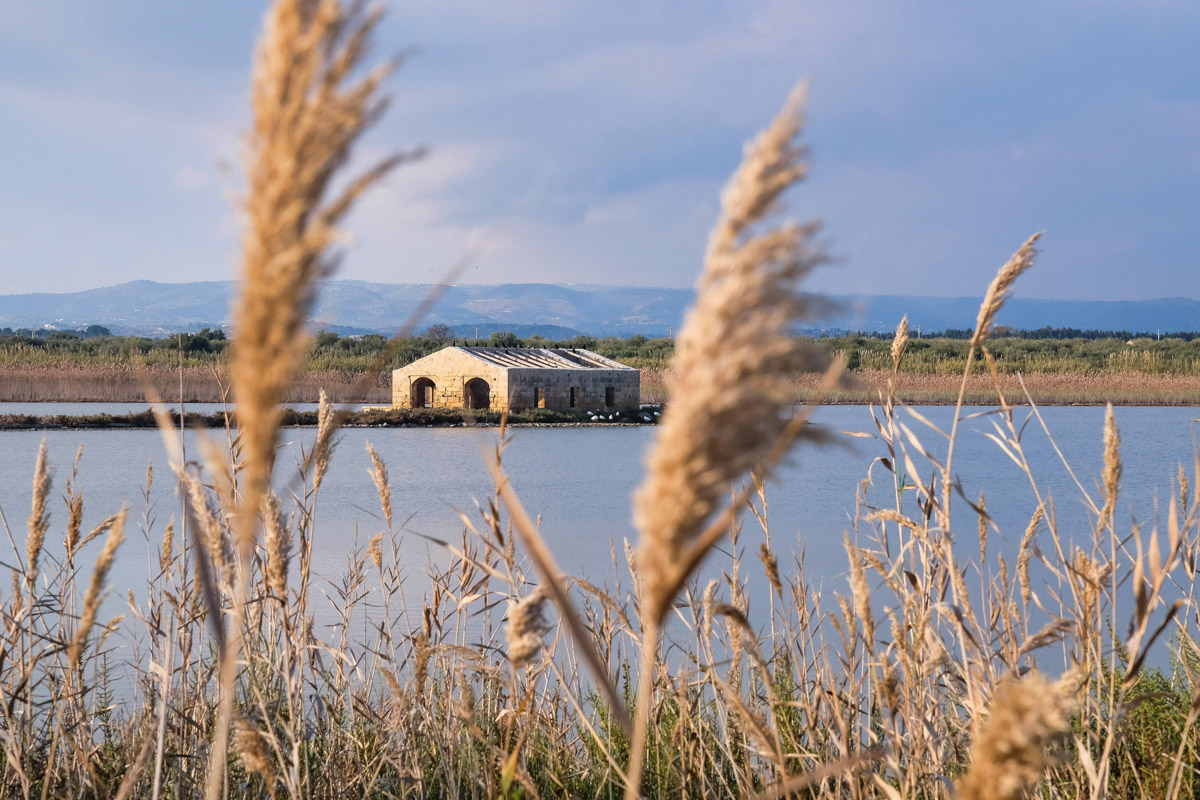
The salt pans also tell of human labour. Their name refers to the use of seawater and basins to obtain salt, an activity that has left recognisable forms in the territory. When a salt pan changes function or productive intensity, its water spaces can continue to offer habitat for birds and plants adapted to particular conditions. The relationship between human works and the natural environment is therefore complex. Looking at the salt pans together with the river helps one understand that today's wetland derives both from spontaneous processes and from the choices of the communities that shaped embankments and canals. It is a local story, but it speaks to a broader theme: how to safeguard landscapes born from the meeting of labour and nature.
Exploring the river
The river has long been explored by boat as well, starting from the area of Syracuse's port. Today, those who wish to discover the Ciane must check the visiting arrangements available and the rules of the protected area. Even when observing from the water, it is good to keep a distance that does not disturb birds and vegetation. From land-based routes one can pay attention to the details of the banks, to reflections and to the differences between flowing water and stiller basins. The time required for a visit changes depending on the means, but the principle remains the same: leave room for observation, without turning the river into a mere scenic route.
The Ciane allows one to step out of monumental Syracuse without leaving its history behind. Papyrus makes the watercourse recognisable, but more common plants also grow along the banks and are just as important for the life of the river. A little further on, abandoned salt pans bear witness to a productive use of the territory and have become resting places for birds. The myth of Persephone and the nymph Cyane adds ancient memory to these transformations. Following the river therefore means crossing three times within the same landscape: that of flowing water, that of salt-making, and that of the stories handed down by the city. None of the three, on its own, exhausts the meaning of this short reserve.
Photo: Walter Crane · Public domain · Wikimedia Commons