EN
 Italiano
 Français
 Deutsch
 Polski
 Nederlands
 Español
 日本語
 Čeština
 简体中文
 Русский
 Português
 한국어
 Magyar
 Norsk
The Renaissance reached Sicily through people, works, and ideas that traveled between the island and the other Italian centers. In the fifteenth century new impulses reached the various arts, and one aspect is decisive: external influences did not produce the same result everywhere. Sculptors, architects, and painters worked within cities with their own traditions and with patrons interested in representing faith, prestige, and family memory. To read this season it is useful to observe the works one by one, but also to compare different languages. A sculpture destined for a church, a palace, and a painting required different solutions even while participating in the same search for measure and presence of the human figure.
The Gagini and Laurana
In sculpture the Gagini and Francesco Laurana stand out. The Gagini were a family capable of founding a lasting school on the island: Domenico began a line of work later continued by his son Antonello. This continuity is important because the Sicilian Renaissance does not coincide with the appearance of a single isolated artist. A workshop could transmit techniques, repertoires, and relationships with patrons for several generations. Looking at works attributed to different members of the family helps to search for similarities and changes without presuming that every piece presents the same hand or the same formal solution. The common name is the starting point for a more precise reading.
Among the works of the season appear a Madonna conserved in Messina, the bust of Eleonora d'Aragona, and the Mastrantonio chapel in the church of San Francesco in Palermo. Even when they cannot be placed side by side physically, these examples show the variety of tasks entrusted to a sculptor: the devotional image, the portrait, and the organization of a space of memory within a sacred building. The relationship with the observer changes. A figure destined for devotion must be visible and recognizable; a bust concentrates attention on the face; a chapel invites consideration of the sculpture together with the architecture that contains it. The Renaissance is seen precisely in these concrete choices, not in an abstract definition of "harmony."
Antonello da Messina and the Sicilian painters
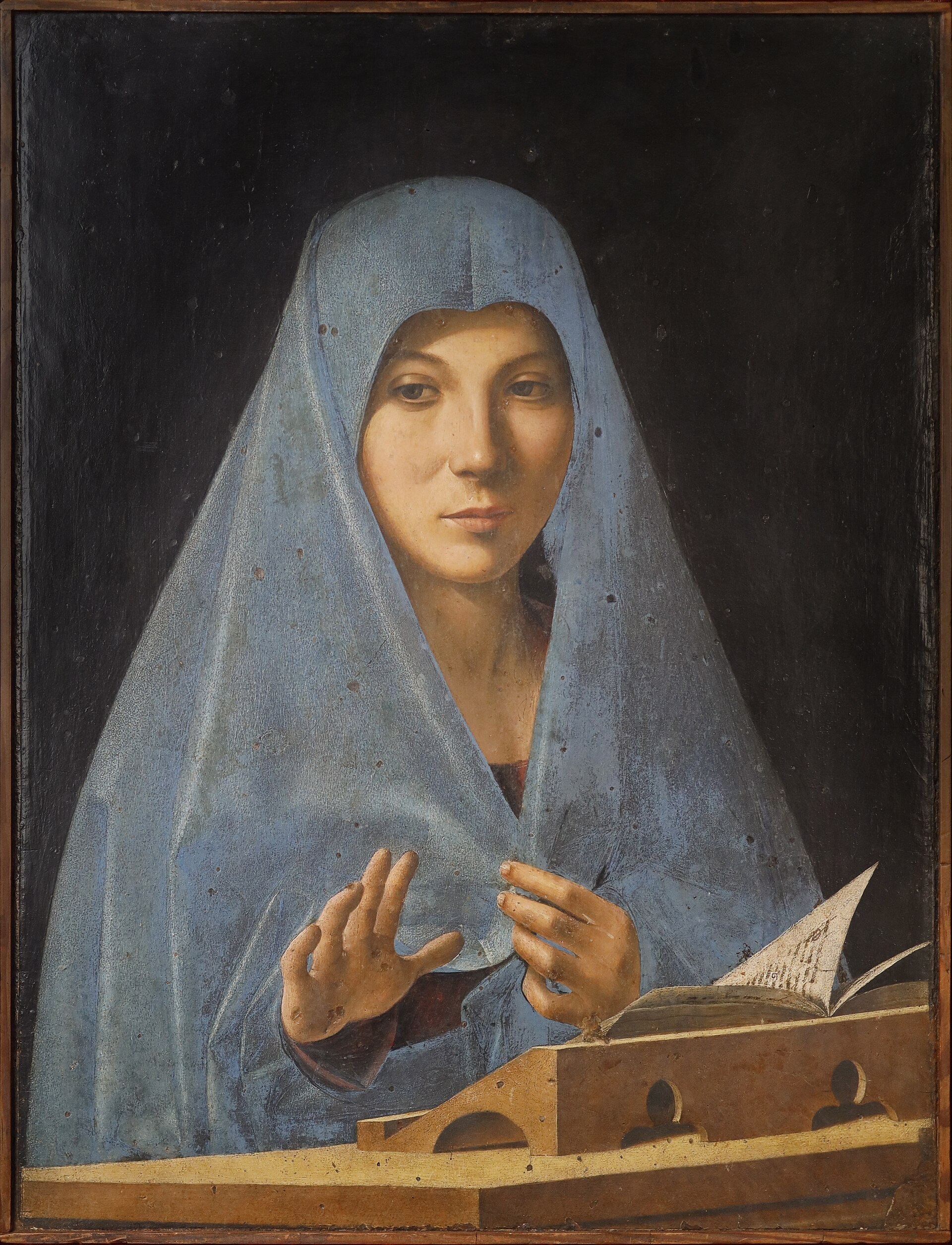
Painting offers an equally rich path. Antonello da Messina is a central figure; among his works are the Virgin Annunciate in Palermo, the Polyptych of San Gregorio in Messina, and the portrait conserved in the Mandralisca museum in Cefalù. The three works suggest different ways of constructing the encounter between image and viewer. In the Annunciate attention gathers on the figure; in a polyptych the meaning also arises from the relationships among multiple parts; in a portrait the face acquires an autonomous presence. Comparing these works allows an understanding of why an artist can be recognized even when subjects and destinations change. The reading must start from what is seen, observing gestures, gazes, and composition.
Other Sicilian artists of the same season also worked, including Antonino Giuffrè, Quartararo, Tommaso De Vigilia, and Marco Costanzo. Their presence is a useful reminder: an artistic period is not made only of the most celebrated names. The works conserved in museums and churches are the result of an environment in which multiple workshops operated, models circulated, and the demands of patrons changed. A Renaissance itinerary can therefore place alongside the well-known masterpieces a less frequented room or a city church. The goal is not to add up names, but to recognize how a shared language took different forms in the same territory.
Mannerism and the fountains
In the sixteenth century Sicilian cities also welcomed artists linked to Mannerism, among them Montorsoli and Camilliani. The fountain of Orion and that of Neptune, created by Montorsoli in Messina, show a patronage different from that of an image destined for a chapel: they occupied urban space and placed sculpture in relationship with water, passageways, and the representation of the city. In Palermo, interventions in places such as Santa Cita, Santa Caterina, and San Martino delle Scale document other forms of dialogue with the artistic languages of the peninsula. The transition from the fifteenth to the sixteenth century was not a uniform replacement of styles. Local workshops and masters arrived from outside worked according to the demands of individual patrons, leaving works diverse in function and visibility.
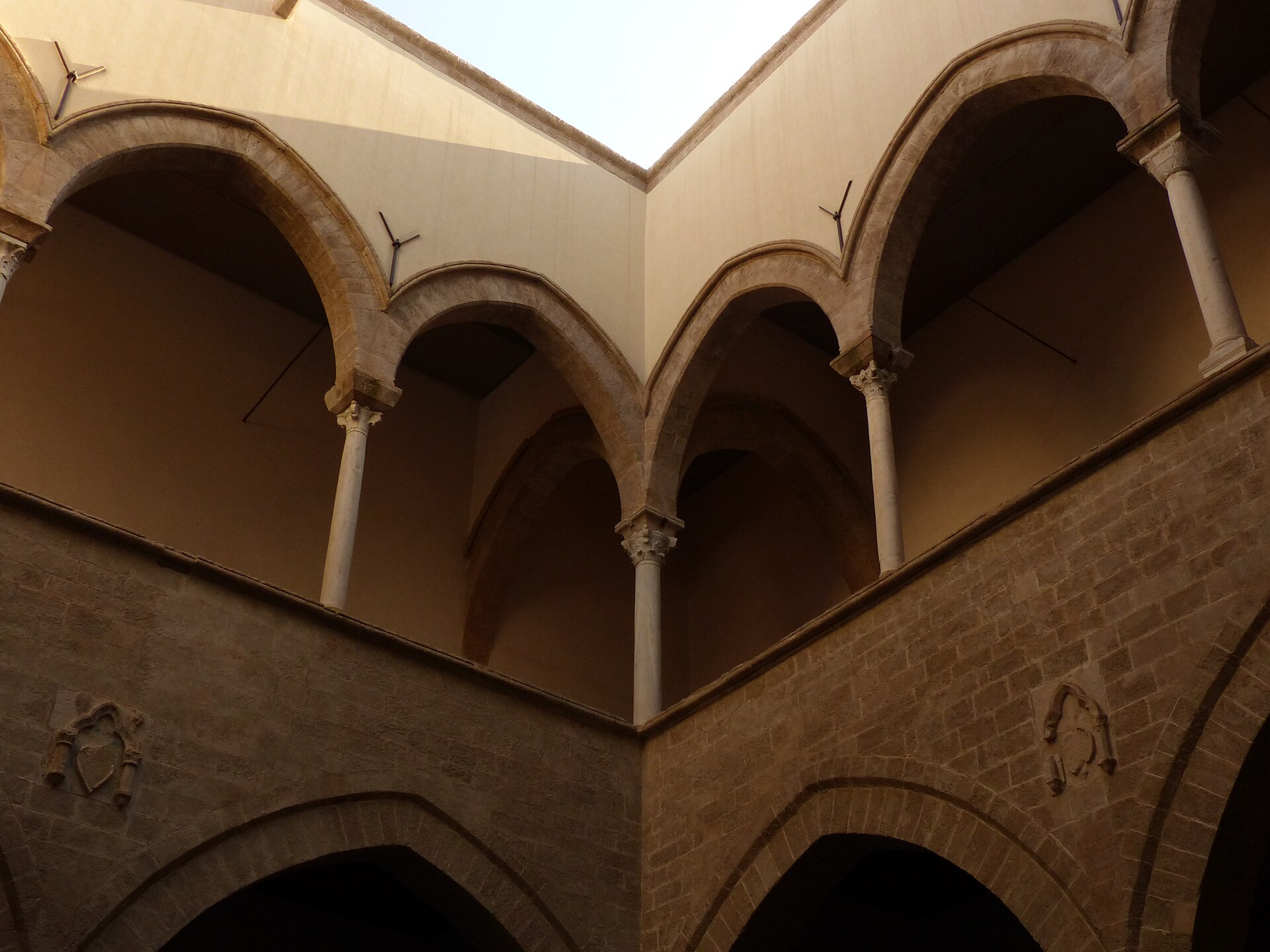
This succession from the fifteenth to the sixteenth century should not be reduced to a simple passage from one style to another. Sicilian architecture became increasingly connected to continental currents. The process entailed new artistic presences and new possibilities for local workshops. When faced with a building transformed in multiple phases, one must ask whether the portal, the facade, and the interior truly date to the same project. The same attention applies to works moved from their original locations and today conserved in museums: a museum visit allows a better view of the object, but requires imagining also the context for which it was created.
Artists from the mainland
The arrival of artists and models from the peninsula continued in the second half of the sixteenth century. Alongside Montorsoli and Camilliani, the sources recall Calamech, Ammanati, and the diffusion of Vignola's architectural solutions in certain Palermo building sites. Their presence did not transform all cities in the same way: a public fountain in Messina required a relationship with the piazza and with water different from that of a church or a chapel. Local workshops meanwhile continued to work and to reinterpret the new languages. The Sicilian Renaissance thus appears as a sequence of concrete encounters among patrons, craftsmen, and places. The passage toward Mannerism did not close that network of exchanges: it modified its forms and prepared other developments in the art of the island.
Photo: Antonello da Messina · Public domain · Wikimedia Commons