EN
 Italiano
 Français
 Deutsch
 Polski
 Nederlands
 Español
 日本語
 Čeština
 简体中文
 Русский
 Português
 한국어
 Magyar
 Norsk
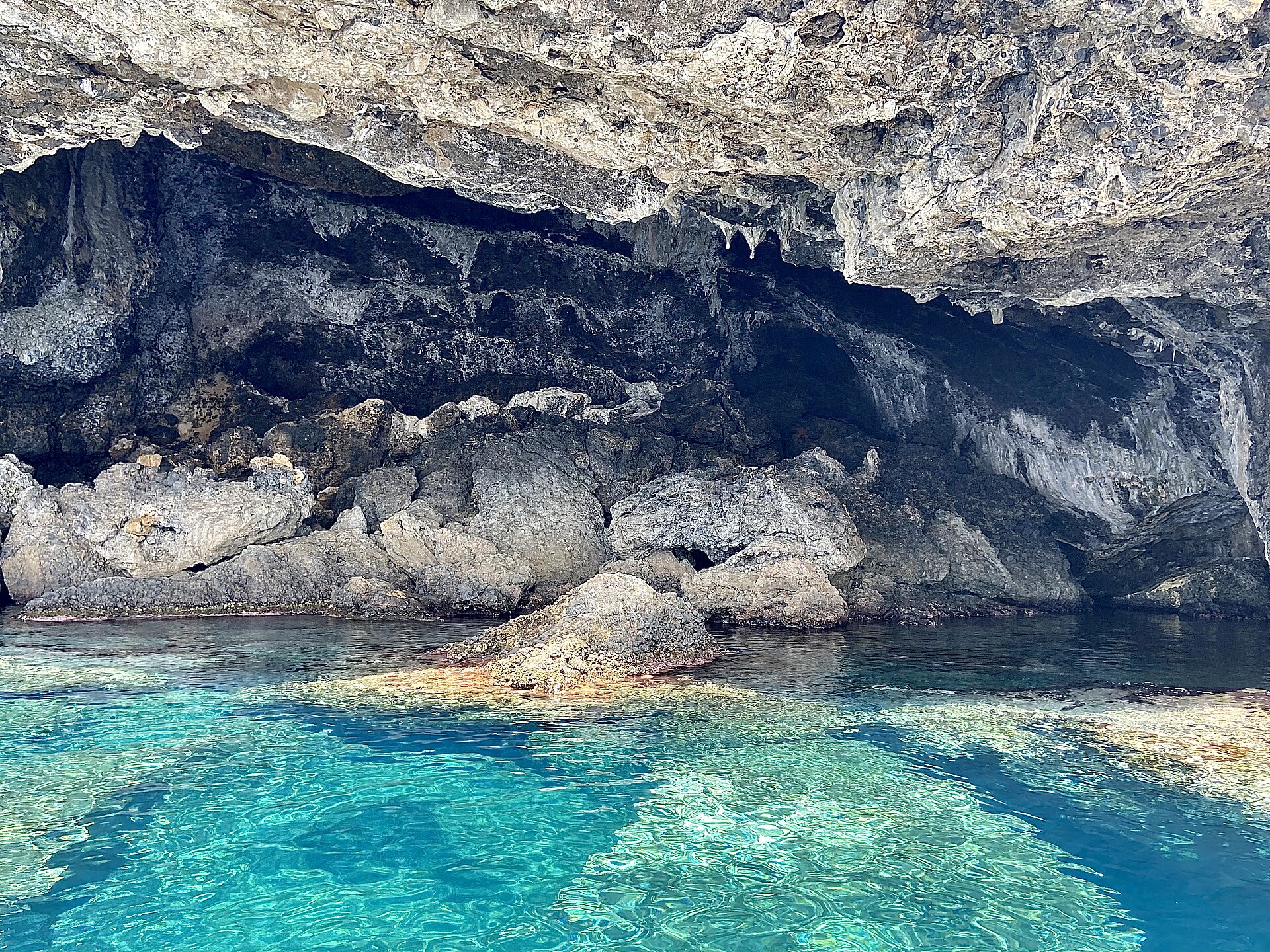
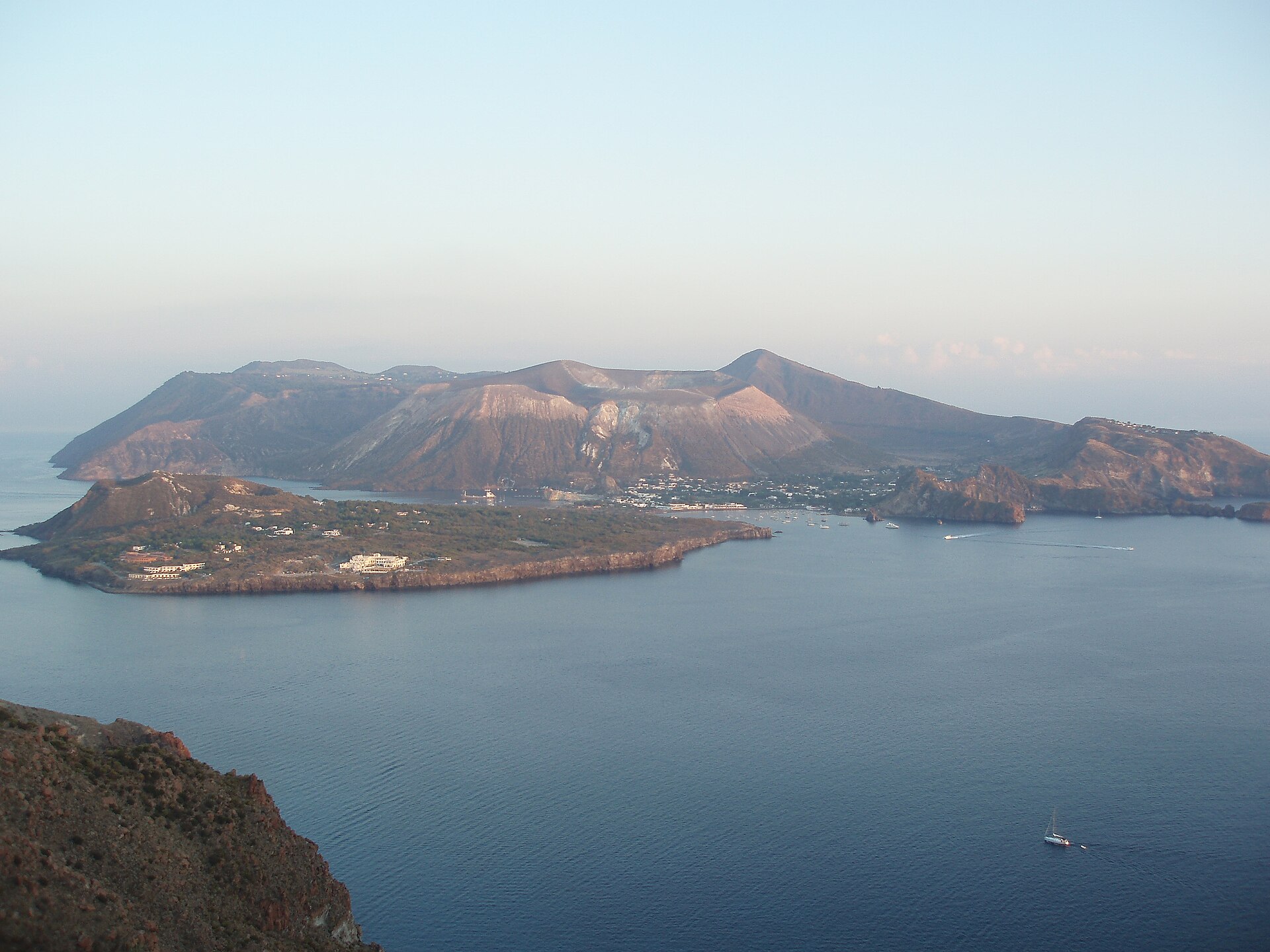
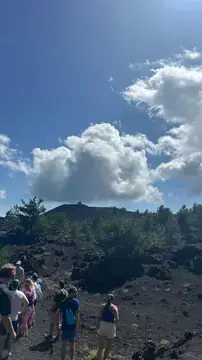
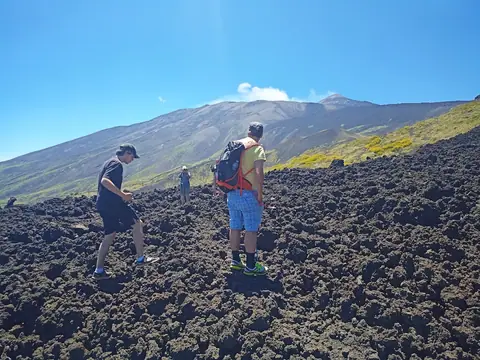
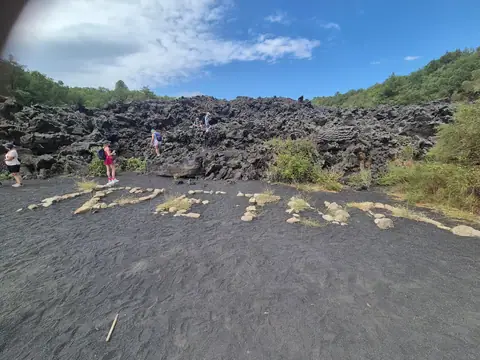
Ustica emerges in the Tyrrhenian Sea north of Palermo as an island of volcanic origin, surrounded by a sea rich in environments. Its distance from the Sicilian coast contributes to the feeling of being in a place with its own rhythms. Even before entering the water, it is worth looking at the shape of the land: hills, cliffs, and small inlets are the emerged part of a landscape that continues beneath the surface. The island is the emerged part of Monte Anchise, an ancient volcano, and includes protected marine and terrestrial areas. Reading these two environments together avoids considering the seabed as an isolated backdrop; what happens on the coast and what lives in the sea belong to the same island.
The landscape on land
On land, the vegetation reflects exposure to wind, sun, and salt spray. Mediterranean scrub occupies the most favorable stretches, while rock plants cling to crevices in the cliffs and salt-tolerant species live near the spray. This distribution anticipates what happens underwater: there too, a few meters can change light conditions, wave movement, and the ability of an organism to attach itself to rock. The emerged island and its submerged edge thus tell the same story of adaptation, while hosting different species. To notice this, one need only start from the shore, follow the zones beaten by the sea, and then look at the walls that continue into the depths.
Corals, sponges and fish
The sea hosts many forms and colors: madrepores, corals, gorgonians, sponges, and anemones. These names indicate very different organisms, often confused by those observing them for the first time. A sponge is not a decoration on the rock; a gorgonian grows in the space crossed by the current; an anemone may look like a flower, but it belongs to the animal life of the seabed. Staying a few minutes in front of the same spot, without touching anything, allows you to notice details that a quick swim would cause you to miss. Colors change with depth and available light: the image that appears at the surface does not always convey the complexity of what lives further down.
Among the animals present are starfish and sea urchins, octopuses, moray eels, white seabream, groupers, and barracuda. This variety is important because it shows different roles in the ecosystem. Some species hide in crevices, others patrol open water, and still others seek food on the bottom. There is no single way to observe the sea: you can scan the edge of a wall, pause above a rocky bottom, or follow with your gaze the passage of a school of fish. For those snorkeling, discovery often begins with the ability to recognize habitats rather than individual names. A seemingly empty area can come alive if you remain still and let the animals resume their behavior.
Where and how to explore
At Punta Spalmatore you can encounter the so-called sea roses; Cala Sidoti and Grotta dell'Oro are other places that invite you to explore the coast. These names are useful for orienting curiosity, but they do not replace an assessment of the day's conditions and the rules of the reserve. Visibility can change with wind and wave motion; even a stretch near the shore can become unsuitable depending on the sea. Those who want to explore responsibly choose permitted areas, respect local guidelines, and do not treat a cave or a wall as a mere attraction to pass through. The best observation is the one that leaves untouched what you came to see.
Underwater exploration has different levels. From the surface you can already distinguish shadows, seagrass meadows, rocks, and fish movements, especially in favorable conditions. Scuba diving opens other perspectives, but requires preparation, equipment, and competent operators. The appeal of the seabed is evident; turning it into a real experience means adapting your plan to your abilities, without chasing depths or places beyond your training. A marine itinerary can focus on a single environment and return several times to the same spot: light and animal behavior change, and each pass can reveal something new.
Respecting the sea and walking the island
Protecting the sea is also linked to simple gestures. Not collecting organisms, not moving stones to look for animals, and not feeding the fish preserves relationships that exist independently of the visit. When swimming above the bottom, a good distance avoids unintentional collisions; when entering or exiting the water, access points should be used carefully to limit trampling. The presence of a reserve makes this care even more evident, but the principle applies everywhere. The sea of Ustica owes much of its interest precisely to the continuity of the living communities that inhabit it.
A walk on the island completes the marine observation. Among scrub, rocky walls, and more sheltered spaces live small mammals, bats, and birds; their presence tells of the possibilities and limits of an isolated territory. From above, you can recognize the inlets that seemed separate in the water and understand how the cliffs continue beneath the surface. Cala Sidoti, Punta Spalmatore, and the caves are not points to tick off on a map: they are parts of a single volcanic edifice, shaped by the sea and inhabited by different communities. It is the passage between these perspectives — swimming, observing the coast, returning to look at the seabed — that makes Ustica a place to truly know, beyond the first impression of clear water.
Photo: I viaggi della Van · CC BY-SA 4.0 · Wikimedia Commons