EN
 Italiano
 Français
 Deutsch
 Polski
 Nederlands
 Español
 日本語
 Čeština
 简体中文
 Русский
 Português
 한국어
 Magyar
 Norsk
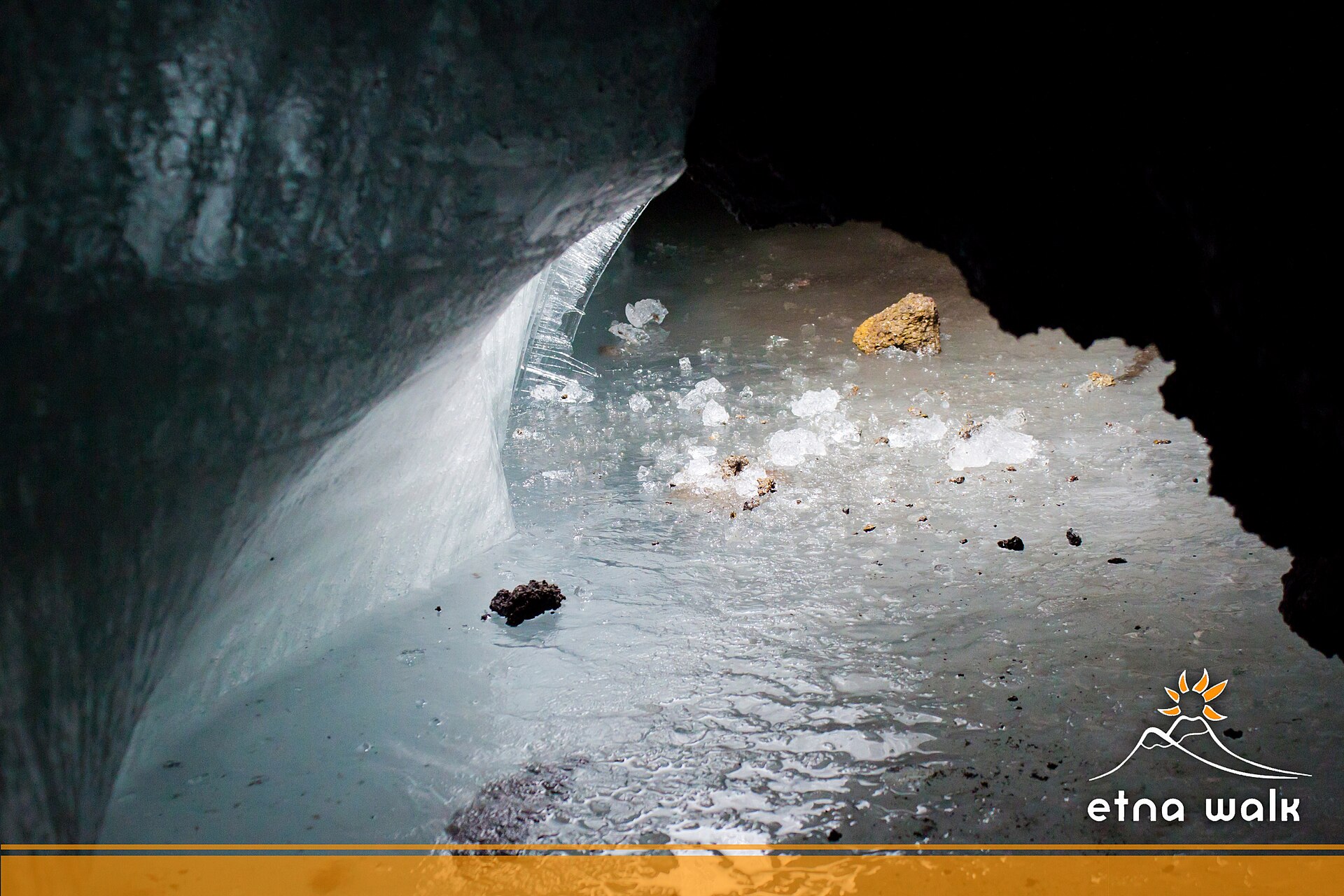
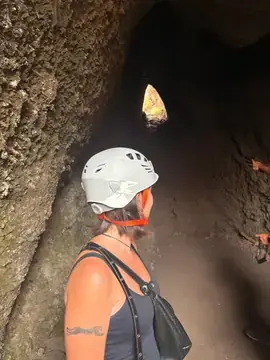
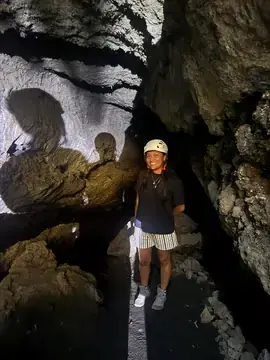
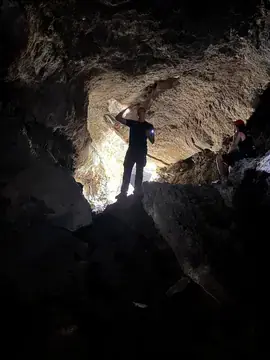
On Etna there is a place that surprises you right from its name: the Grotta del Gelo, the Cave of Frost. On a mountain associated with the heat of eruptions, this volcanic cavity is known for the ice formations that can develop inside it. It lies on the northwestern slope, in the territory of Randazzo, at an altitude of about two thousand meters. The surrounding landscape is that of the Dammusi lavas, linked to a long eruptive episode of the seventeenth century. The cave helps us understand that a volcano does not produce only craters and flows to be observed in the open air. Its rocks can create internal spaces with conditions very different from those felt on the surface.
The ice and the 17th-century lava
Ice is the detail that has made the cavity famous. Yet it is not enough to imagine a simple contrast between external heat and internal cold. In a cave, what matters are the altitude, the shape of the entrances, the circulation of air, and the rock's capacity to retain different temperatures. The presence of icy formations shows the combined effect of these conditions over time. Their quantity and appearance can change: they are not a fixed furnishing destined to remain identical on every visit. This makes the place interesting for those who observe natural phenomena, but it also calls for caution in describing it. The word "frost" indicates a characteristic, not a promise of always seeing the same scene.
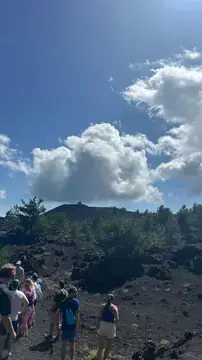
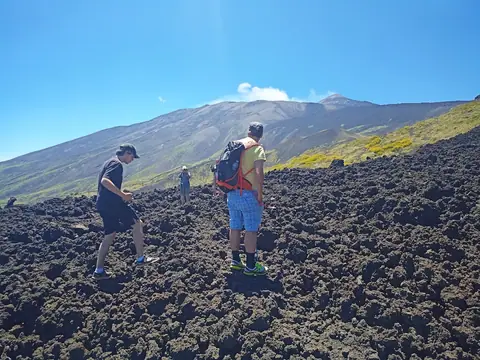
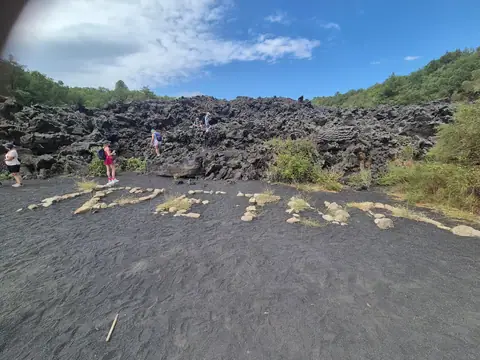
The Dammusi lavas are linked to an eruptive episode that lasted from 1614 to 1624, nearly a decade. Placing the cave within this history helps give it a date and a context: the cavity belongs to a set of surfaces formed during a prolonged transformation of Etna's northern slope. The name "Dammusi" thus indicates a lava landscape broader than the single opening in the rock. To cross it means walking on material produced by an event distant in time, yet still capable of conditioning routes and the distribution of the ground. The cave is one of the most surprising outcomes of that history, not an isolated phenomenon that appeared without relation to the surrounding terrain.
Shepherds and hikers
For a long time the place was known above all to shepherds. They brought their flocks there to water, using a resource that in a mountainous, lava-covered environment had immediate practical value. This memory changes the way we imagine the cave: before becoming a destination for hikers, it belonged to an everyday geography made up of routes, animals, and knowledge of the territory. Those who frequented Etna for work knew where to find shelter or water and how to orient themselves among seemingly similar surfaces. Pastoral traditions are not a picturesque detail added to nature: they are part of the history of how the mountain has been inhabited.
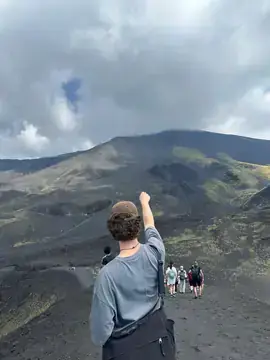
Hiking traffic grew especially from the second half of the twentieth century. Interest in the ice, the altitude, and the lava context has made the cave a recognizable objective. This renown, however, does not simplify the route. Reaching a cavity in a volcanic area requires attention to the terrain, the weather, and indications regarding the entrances. Even inside, darkness and uneven surfaces demand caution. Preparation must be proportionate to the conditions of the moment, not to the fact that the place is famous. It is advisable to seek information from those who manage the routes and to turn to qualified guides when the itinerary requires it.
A fragile environment
The fragility of the environment is another reason to slow down. An ice formation can be damaged by apparently minimal contact; the rock and soil around the cavity deserve the same attention. Entering a place of this kind does not mean taking possession of it. It means passing briefly through an environment built by slow processes, without leaving marks that would reduce its value for those who come after. Staying on permitted trails, not removing materials, and not touching the formations are behaviors consistent with this idea. Even the number of visitors and the modes of access can affect the cave's conservation.
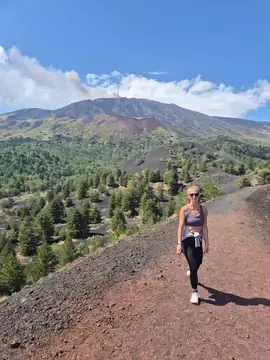
The lava surface around the cave offers another observation. Where the rock is almost bare, lichens can be among the first organisms to give it color; on surfaces with more favorable conditions, grasses such as Mediterranean fescue and Etna bluegrass appear. It is not an identical succession at every point of the volcano: altitude, exposure, and the age of the lava change the possibilities for growth. Watching these signs along the route connects the destination to the landscape traversed. The plants tell of a slow time, different from that of the eruption that produced the flow and from that of a one-day outing. Even without entering the cave, this comparison makes the slope legible.
A cave that changes
The Grotta del Gelo does not always show the same quantity of ice and should not be presented as an unchanging scene. Photographing discreetly from a permitted point, noting the season, and comparing images from different moments can help notice variations without touching the formations. This way of observing gives precise meaning to the visitor's curiosity: seeing the place as it is, instead of seeking at all costs the photograph imagined before departure. The popularity that arose in the 1970s has made the cavity known to many more hikers than the shepherds who once used it. Knowledge and frequentation, however, have value only if they leave intact what makes it possible to continue studying and telling its story.
Photo: Marcoetna · CC BY 3.0 · Wikimedia Commons