EN
 Italiano
 Français
 Deutsch
 Polski
 Nederlands
 Español
 日本語
 Čeština
 简体中文
 Русский
 Português
 한국어
 Magyar
 Norsk
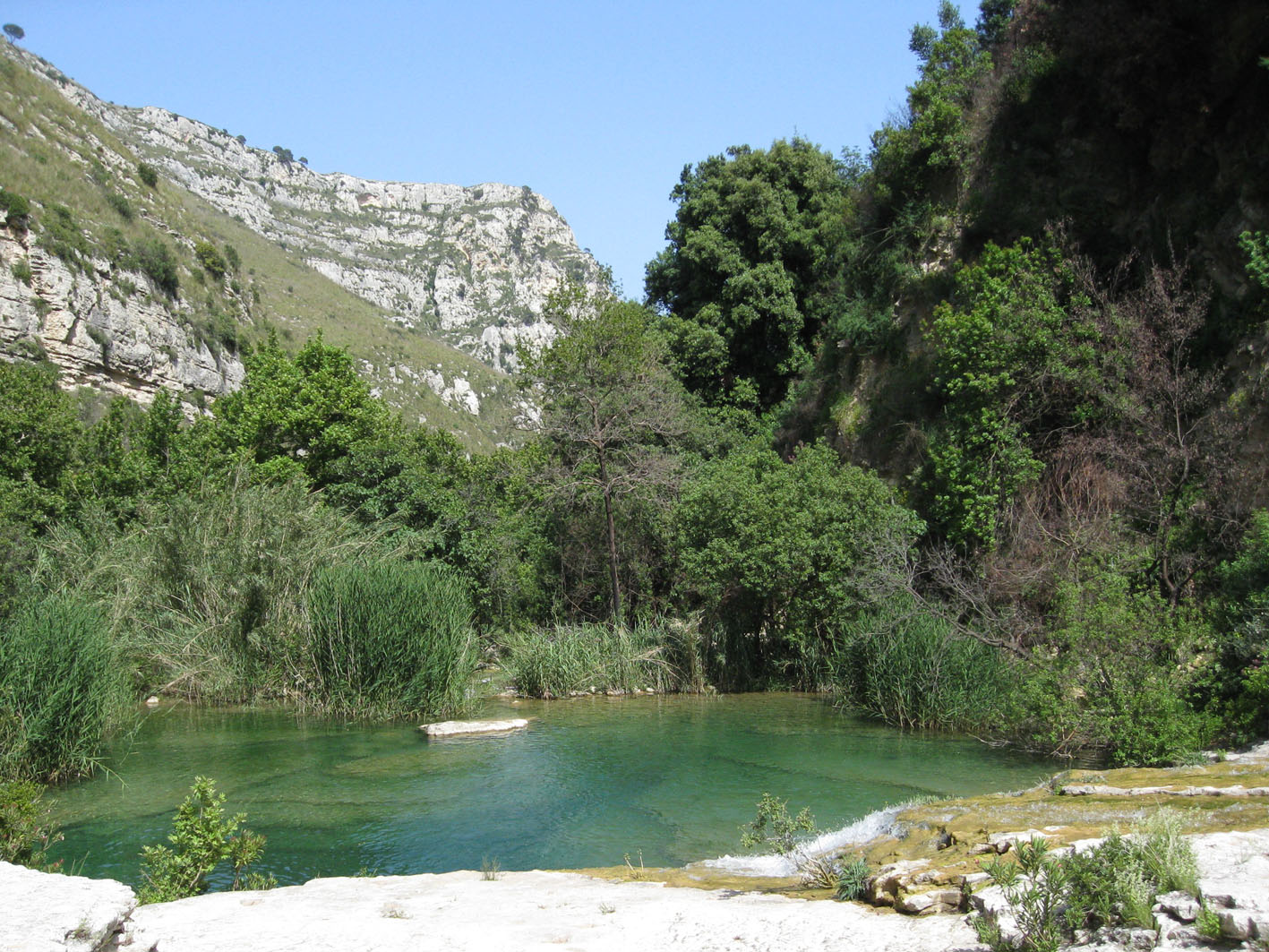
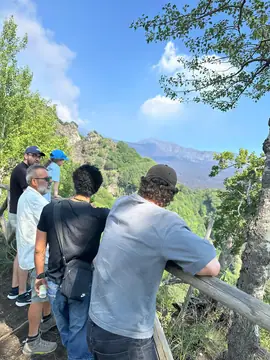
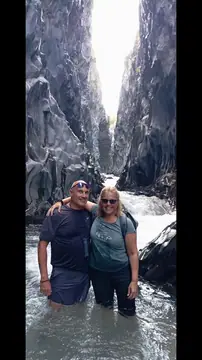
In the southeast of Sicily, the Hyblaean plateau appears in many places as a compact surface. Watercourses, however, have carved deeply into it, creating ravines that change the way the landscape is read. Cavagrande del Cassibile is one of the largest and most striking. Even from above, one senses the distance between the canyon's rim and the valley floor: rock walls, vegetation, and water compose an environment different from the surrounding countryside. The reserve lies in the province of Syracuse and protects the gorge and the habitats connected to the river. Even before thinking of a descent, it is worth pausing at the viewpoint and observing how the watercourse has shaped the limestone plateau.
A microclimate in the gorge
The presence of the Cassibile explains much of this variety. On the gorge floor, humidity is more constant than on the exposed surfaces of the plateau. The river forms pools of transparent water and offers living conditions to animal and plant species that would not find the same environment on the dry slopes. From a panoramic point, the green patches along the watercourse indicate where water availability sustains trees and riparian vegetation. It is a contrast that makes evident the role of water in the design of the territory. The gorge is not merely a geological incision: it is a collection of environments that are close yet different, linked by the shape of the ravine.
Plane trees and scrub
Among the most interesting plants is the Oriental plane tree, represented in the area by specimens of considerable age. Willows, poplars, and oleanders also grow along the river. Their appearance changes with the seasons and with the amount of water available, but the function of the riparian forest remains fundamental: it provides shade, stabilizes certain stretches of the banks, and creates refuges for wildlife. When the sun strikes the walls of the gorge, the vegetated strip on the valley floor stands out clearly from the rest. Looking at it helps one recognize a simple principle: in the same place, a few meters of elevation or a different exposure can produce ecological conditions very far removed from one another.
On the slopes and in the less humid areas, however, evergreen scrub prevails. Terebinth, lentisk, and spurge are among the species recorded for Cavagrande. They do not form a uniform forest like that near the river: their development depends on light, soil depth, and the ability to withstand drought. Mediterranean vegetation is not a generic backdrop to be crossed quickly. Its differences tell where water lingers, where it runs off, and which surfaces are most exposed. Observing from above, one can try to follow these bands, passing ideally from the dry rocks to the points where the green becomes denser.
Animals and rock-cut tombs
Animals also reflect this diversity. In the waters of the gorge, macrostigma trout, crabs, and eels have been reported. Spotting them requires patience and favorable conditions; their presence is not a promise of an encounter during a walk. It is rather an indication of the richness of the aquatic habitats. Above the canyon, birds of prey may appear, among them the Bonelli's eagle, a species to be observed always at a distance and without seeking out its nesting sites. The value of a reserve is not measured by the number of animals a visitor manages to photograph. Often the best choice is to leave the most delicate spaces undisturbed.
The walls of the gorge also hold traces of human presence. In the cavities carved into the rock, shelters and burial places were created; the archaeological itinerary recalls a vast necropolis, testimony of communities that frequented the ravine over the millennia. The water available on the bottom and the protection offered by the walls help explain why these people chose a place difficult to reach but rich in resources. The openings visible from afar do not all necessarily belong to the same phase: interpreting them requires archaeological information, not mere similarity of shape. This human history adds to that of the river without erasing it and explains why Cavagrande is more than a destination for seeing the pools.
Moving around safely
The beauty of the place must not lead one to underestimate the difficulty of moving through a canyon. The difference in elevation that makes the view spectacular can also make walking routes demanding. Heat, uneven terrain, and the fatigue of the climb back up can change the experience considerably. Access may also be regulated or modified according to the condition of the site. Before setting out, one must verify which trails are open, what effort they require, and whether it is advisable to be accompanied. Water, suitable footwear, and an honest assessment of one's own abilities matter more than the desire to reach a pool at all costs.
The presence of the tombs in the rock, the centuries-old plane trees along the river, and the animals that use the pools show three different durations in the same ravine. The necropolis preserves human gestures from the very distant past; the trees testify to an ecological continuity slower than the time of a visit; the water changes appearance with the seasons while continuing to shape the gorge. Putting these traces together prevents reducing Cavagrande to a swim in a pool or a photograph from the belvedere. The permitted routes allow one to approach only a part of this system, and precisely for this reason it is worth preparing to observe carefully what one encounters. The value of the reserve also lies in the relationships that remain beyond the point reached by a single hiker.
Photo: Alexander Z. · CC BY-SA 3.0 · Wikimedia Commons