EN
EN Italiano
 Français
 Deutsch
 Polski
 Nederlands
 Español
 日本語
日本語 Čeština
 简体中文
简体中文 Русский
 Português
 한국어
한국어 Magyar
 Norsk
NorskEtna North
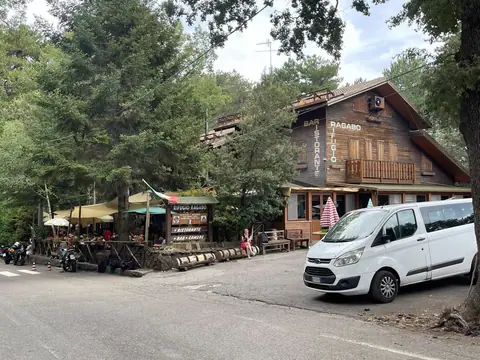
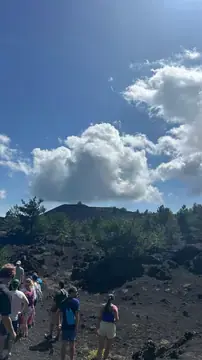
The northern slope of the volcano, with forests, recent lava flows and access from the Piano Provenzana area.
A glossary to help you choose an Etna excursion, read the trails, compare tours, and plan a trip with a local DMC. Practical, clear definitions that are useful even before you book.
Explore the termsThe section “The original Dream Island lexicon” gathers expressions we coined: they are not official technical terms. For volcanic activity, trails and restricted areas, always check the latest official sources: INGV and Etna Park.
Words to understand the volcano, its shapes and the places you encounter during an excursion.
The northern slope of the volcano, with forests, recent lava flows and access from the Piano Provenzana area.
The slope with access from the Rifugio Sapienza area; itineraries, reachable altitude and services differ from the north side.
Departure location on the north slope, used for excursions, cable cars and seasonal activities.
Reference point on the south slope for excursions, cable cars and visitor services.
A series of eruptive cones on the northeastern side of Etna, reachable via walks of varying difficulty.
Volcanic cones near Rifugio Sapienza, often chosen for a first look at the lava landscape.
Eruptive vents in the highest area of Etna; access depends on ordinances, volcanic activity and weather.
A wide depression on the eastern flank of Etna, recognizable in the panoramas of many routes.
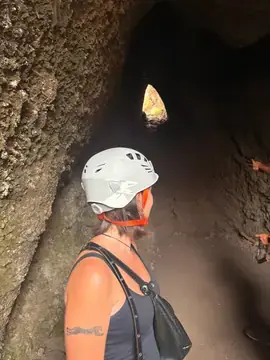
A lava cave on the north slope visited on some guided itineraries, with appropriate equipment.
A tunnel formed when the surface of a lava flow solidifies while lava continues to flow beneath.
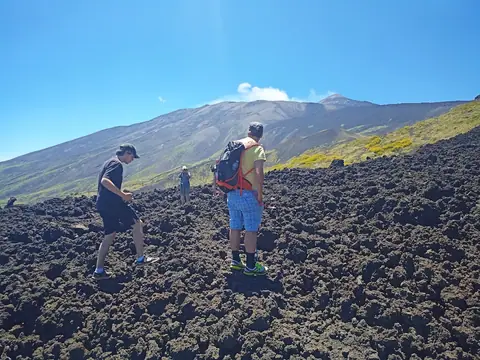
A stream of lava that moves or has cooled on the ground, leaving behind different surfaces and shapes.
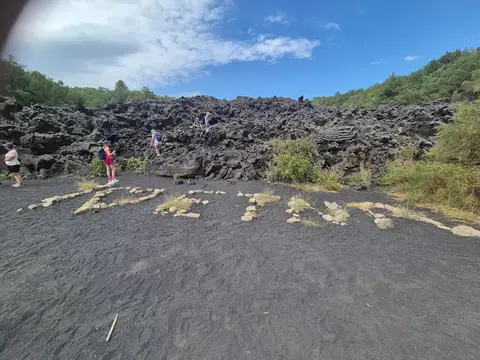
The advancing edge of a lava flow; on excursions you typically see historic fronts that have long since cooled.
Small fragments of volcanic material ejected during an eruption and deposited on the ground.
Very fine particles produced by certain eruptions, which can be carried by the wind far from the crater.
A porous fragment of solidified lava, common on many trails on Etna.
A dark volcanic rock formed by the cooling of lava, also a defining feature of the Alcantara Gorges.
Molten rock beneath the Earth's surface; when it reaches the outside it is called lava.
Magma that has reached the surface, which can flow and then solidify into different shapes.
A release of gas and steam from volcanic ground; its location and intensity can change.
The release of volcanic gases, one of the phenomena monitored by scientific organizations.
Height above sea level; on Etna it affects temperature, wind, and physical exertion.
One of the sides of the volcano: choosing north or south changes views, starting points, and logistics.
Lava from the 2002 eruption, visible on the north side as part of Etna's recent history.
Sequence of eruptive vents aligned along a fissure, as in the Sartorius landscapes.
Protected natural area covering much of the volcano and safeguarding environments, trails, and biodiversity.
The information to read before choosing duration, pace, guide, and starting point.
A walk accompanied by a guide, with route and level to be checked in the tour details.
Indication of a route generally accessible to people used to walking; it does not eliminate uneven ground or weather changes.
A route requiring more endurance or a steady pace than a short walk.
Sum of the metres covered uphill, distinct from the maximum altitude reached alone.
Highest point planned by the programme, always subject to the day's conditions and restrictions.
Actual hours on foot, different from the total duration including transfers and stops.
Time from the starting point to the expected return, including indicated stops and transfers.
A walking route that returns to the starting point without retracing the entire same path.
A route that largely follows the same path in both directions.
The exact place to meet in order to begin the experience; this should be distinguished from the address of the office.
Agreed pickup of participants at a point permitted by the itinerary and the tour schedules.
Transport between two locations, included in or added to the program according to the offer.
Items provided by the organizer; the exact list must appear in the listing or in the confirmation.
Footwear with a sole suited to the terrain of the route; rental availability to be confirmed.
Walking aids useful on certain terrains, to be used according to personal preference and the guide's instructions.
A licensed professional for the activities and areas within their remit under local regulations.
A professional who accompanies and interprets the natural environment within the limits of their license.
Atmospheric conditions at the elevation of the hike, often different from those on the coast.
A factor that can change perceived temperature, visibility, and the feasibility of a leg of the route.
The distance observable in the landscape; clouds, fog, and ash can reduce it rapidly.
Agreed alternative when weather, access, or operational conditions prevent the planned itinerary.
Handling of postponement or refund according to the terms specified for the booked tour.
Maximum number of guests that can be transported in the assigned vehicle, distinct from the capacity of the entire tour.
Experience reserved for your own group, with itinerary and price to be confirmed before booking.
Departure with people from different bookings, subject to capacity and the published itinerary.
Geography and activities that often combine with an Etna excursion.
Canyon carved by the Alcantara River through volcanic rock, known for its basalt walls.
Watercourse in eastern Sicily that flows through the canyon of the same name before reaching the sea.
Walls with prismatic shapes produced by the cooling and fracturing of lava.
Narrow, deep section of a valley carved by water through rock.
Gorge cutting through rock formed by ancient lava flows; water has shaped its passage.
The action of the river that, over time, wears away and reshapes the rock of its bed.
A practical feature of the Alcantara: the river's temperature can surprise you even in summer.
Water height, which varies with season and rainfall and is relevant for activities in the riverbed.
Entrance or route used to reach the canyon; services and tickets depend on the access chosen.
A short activity in the riverbed, to be assessed based on the level, temperature, and conditions of the day.
Descent in the water with equipment and guidance provided by the activity operator.
A walking route in a river environment, with a wet bottom and water level to be checked.
A useful feature for walking on wet stones; it does not replace caution and the guide's instructions.
A town on the Ionian coast often used as a base for tours to Etna and Alcantara.
A coastal resort near Taormina, a frequent agreed meeting point for excursions.
A seaside resort north of Taormina from which transfers to Etna can be arranged.
A municipality on the northeastern slope of Etna where Dream Island is based.
A hilltop village above Taormina, often combined with panoramic tours of the coast.
A small island and coastal area in Taormina, popular for swimming, views, and boat trips.
A volcanic archipelago north of Sicily, with programs and connections depending on the season and sea conditions.
Archipelago west of Sicily, reached mainly from the Trapani area.
Island of the Egadi known for its coastline and sea excursions.
Island historic center of Syracuse, a key cultural stop in eastern Sicily.
Area of southeastern Sicily known for its Baroque towns and related cultural itineraries.
Planned stop to view a location; duration and position may vary with traffic and weather.
Details that clarify what is purchased, what remains to be confirmed, and how the itinerary may change.
Experience concentrated into a few hours, useful when available time does not allow a full tour.
Itinerary that occupies most of the day and may include multiple stops and transfers.
Itinerary combining volcanic landscape and river canyon; stops and admissions depend on the chosen tour.
Itinerary combining a visit on the volcano with a tasting or winery experience.
Guided tasting of products or wines, with the number of tastings and inclusions defined by the offer.
Meal included in the price according to the menu and conditions published for that departure.
Entrance ticket included in the price; it is worth checking which entrance and which services it covers.
Additional cost for options or services not included in the base rate.
Starting rate available for a specific configuration; date, age, and options may change it.
Rules and deadlines for cancelling a booking and receiving any refund.
Number below which a departure may require confirmation, a different date, or a private arrangement.
Limit indicated for safety or the nature of the activity, varying between excursions.
Practical conditions of the route and transport for people with specific needs, to be checked before booking.
Travel profile for which duration, terrain, elevation, breaks, and age rules should be checked.
Departure where guiding may be available in multiple languages, subject to confirmation.
Preference communicated to the team; guide availability to be confirmed for the date and tour.
Programme organised around the ship's disembarkation, transfer, and return.
Margin needed to return to the terminal before the deadline communicated by the cruise line.
Expected time range, to be distinguished from the final time stated in the confirmation.
Variation in availability and services tied to the time of year, weather, and demand.
The period of greatest demand, when it is useful to check availability and services in advance.
A purchase or request made with the organizer without going through a third-party reseller.
A message sent to the team to check dates, availability, or options; it is not equivalent to a confirmed booking.
A communication summarizing the accepted service, date, participants, price, and operational instructions.
A document or code to be shown according to the instructions received after confirmation.
The operational vocabulary for designing trips, groups, and incoming services in Sicily.
Destination Management Company: a local partner that coordinates services and programs in a destination.
An operator that organizes services for travelers arriving in its own destination.
A business relationship between operators, such as agencies, tour operators, suppliers, and DMCs.
A price reserved for the partner before their own commercial margin, according to the applicable agreement.
A percentage or agreed fee for an intermediary, to be defined in the contract.
Margin added by a reseller to a net cost to set their final price.
Quantity of places or services temporarily reserved for a partner under defined terms.
Deadline after which an unconfirmed allotment becomes available again to the supplier.
Temporary hold on a service pending confirmation, valid only until the stated deadline.
List of guests with requested room assignments for a group.
Operational list of participants required for certain transport or activities.
Transport dedicated to a client or group, with agreed vehicle and terms.
Arrival welcome with initial assistance and directions for the next service.
Contact in the destination who helps coordinate requests and operational changes.
On-site visit to assess logistics and suitability of a service or itinerary.
Professional review of facilities and services before offering them to a client.
Program built around the interests, timing, group, and budget provided by the client.
Document that combines stops, services, inclusions, conditions, and realistic timing.
Economic offer for the partner with specified line items and commercial terms.
Agreed standard for assistance, vehicles, guides, and response times.
Primary operational contact for coordinating suppliers and program communications.
Coordination of attendance, schedules, vehicles, guides, and changes for multiple travelers.
Number of seats allocated or planned for a departure or a partner.
Maximum number allowed for a specific vehicle, facility, or activity.
Service provided under the partner's brand, only if required by the commercial agreement.
These names are editorial descriptions created by Dream Island to explain how we think about programs. They are not official technical terms or industry standards.
Original Dream Island namesThe moment before departure when weather, access, and the actually feasible altitude are double-checked.
The pace of the program when walking, observation, and breaks alternate without chasing too many stops.
A day that shows two very different environments, such as lava and river.
An itinerary that goes from high mountain terrain to a lower stop, requiring flexible clothing.
Time and flexibility built into the schedule to respond to changing weather conditions.
Internal summary of walking hours, elevation gain, and terrain to better explain the effort required.
A short break included for drinking, taking in the view, and keeping the group’s pace comfortable.
A trail with a viable alternative when a stage is closed or not well suited to the conditions.
A stage that connects two environments or services, for example a refuge between Etna and Alcantara.
Summary of the group’s needs: walking, age, breaks, language, and accessibility.
Minutes not sold as an attraction, reserved for traffic, pickups, and unexpected events.
Comparison between time spent in vehicles and actual time spent at the places visited.
The experience sequence as seen by the traveler, from the first message through to the return.
An operational description of shared interests and needs, without treating people as a number.
The point beyond which adding a stop risks worsening the group’s experience.
Space left for a pleasant discovery without making what was promised uncertain.
Steps through which request, availability, price and instructions become a clear booking.
Summary that distinguishes what is included, what depends on the weather and what needs to be confirmed.
Altitude chosen taking into account conditions, rules of the day and participants' abilities.
Pace of visiting that allows you to see a place well instead of collecting stops.
Itinerary without unnecessary transfers or stops, designed to leave more time for the experience.
Editorial itinerary option focused on sea, coast or water, to be detailed in the quote.
Editorial itinerary option focused on lava, geology and volcanic landscape.
Overview of stops, distances and overnight stays for a complete trip in Sicily.
Minimum safety time planned between the last stop and departure of ship, flight or train.
Phenomena and scientific terms useful for reading Etna without confusing observation and forecast.
Structure formed over time by overlapping lavas and eruptive materials.
Episode in which the outflow of lava flowing over the ground prevails.
An episode involving the fragmentation of magma and the dispersal of gas and materials.
Eruptive activity that opens on the flank of the volcano rather than at the summit.
Activity affecting one or more craters in the upper area of the volcano.
Intermittent explosions that eject incandescent fragments near the vent.
A brief, intense eruptive phase, often with lava fountains and ash.
A sustained jet of incandescent material produced by an eruptive vent.
A column of gas, ash, or vapor visible above a crater.
A mass of volcanic particles suspended and carried by the wind.
Ground deposition of particles emitted during explosive activity.
Scientific term for the plume of gas and particles above the volcano.
An opening from which lava, gas, and volcanic fragments can escape.
A crack in the ground along which multiple vents may open.
Volcanic relief formed on a flank of the main edifice.
Pathway through which magma rises toward an eruptive vent.
Underground zone where magma can accumulate before rising.
Entry of magma into the crust without necessarily reaching the surface.
Body of solidified magmatic rock within a pre-existing fracture.
Measurable change in the volcano's shape, monitored by researchers.
Lowering of a portion of ground relative to its previous position.
Sector of fractures along which intrusions and lateral eruptions may concentrate.
Earthquakes linked to internal volcanic processes, to be interpreted alongside other data.
Point within the Earth where an earthquake originates.
Point on the surface above the hypocenter of an earthquake.
What scientific agencies observe and why a single graph is not enough to decide on an excursion.
Continuous seismic signal used to track changes in the volcano's activity.
Instrument that records ground movement over time.
Equipped site for detecting signals produced by earthquakes and the volcano.
Set of distributed instruments that observe different phenomena.
Satellite-based instrument that measures small movements of the ground.
Device that detects changes in ground inclination.
Instrument that measures changes in the distance between two points.
Camera that shows temperature differences on the observed surface.
Observation from orbit useful for tracking heat, ash, or deformation.
Area hotter than its surroundings, to be interpreted alongside other observations.
Release of sulfur dioxide measured among volcanic gases.
Amount of carbon dioxide emitted in a given area and time.
Collection and analysis of emissions to study their composition and variations.
Acoustic signal at a very low frequency that can be linked to volcanic activity.
Continuous acoustic signal that can be detected with specific instruments.
Scientific update summarizing observations and their interpretation.
INGV facility that studies and monitors Etna's activity.
Official notice to be read in its given date and context.
Sequence of measurements showing how a quantity changes over time.
Normally observed level of a measurement, useful for assessing a variation.
Brief, marked increase in a measurement compared with the nearby trend.
Measurement still subject to verification or revision by experts.
Comparison of multiple measurements to determine whether they describe the same phenomenon.
Probabilistic and limited assessment; it is not equivalent to knowing the exact date and location.
Body responsible for the data or the ordinance, preferable to a post with no origin.
Landforms that can be observed on the ground, distinguishing ancient landscapes from ongoing activity.
Lava with a relatively smooth or ropy surface, formed by fluid flow.
Lava with a rough surface broken into sharp-edged blocks.
A flow whose crust breaks into large fragments as it moves.
A sinuous fold in the cooled surface of a fluid flow.
A passage left by the drainage of lava beneath a solidified crust.
The upper part of the cavity, not to be touched or crossed off-trail.
A natural opening in the ceiling of an ancient lava tube.
An area covered by one or more flows, often of different ages.
The visible boundary between solidified lava and uncovered ground.
More recent lava deposited on top of a previous flow.
Rock with cavities left by gases during cooling.
A fragment of lava ejected while still plastic and then solidified.
A solid fragment thrown during a volcanic explosion.
A fragment of material produced by an explosive eruptive event.
Collective name for fragmented materials ejected by a volcano.
Ground accumulation of eruptive fragments of various sizes.
Pieces of still-hot lava that weld together near the vent.
A hill built up by the accumulation of scoria around a vent.
The edge of a crater depression, not always stable or accessible.
The lowest part inside a crater, subject to change.
A depression also formed by the sinking of material after eruptive activity.
A large volcanic depression produced by the collapse of a portion of the edifice.
A fracture along which two portions of rock have moved.
Outcrop that reveals the thickness or structure of ancient lava flows.
Early-stage terrain on recent lava, where the first life forms take hold.
Woodlands, habitats, and words that help you observe the landscape without reducing it to a photo backdrop.
Elevation zone where climatic conditions and vegetation change.
Mountain environment with species and temperatures different from the coast.
The highest band of tree vegetation, shaped by wind and cold.
Elevation above which trees become sparse or no longer grow steadily.
The gradual change in living communities that colonize a patch of ground.
A plant or organism able to establish itself on poor or newly formed surfaces.
A partnership between a fungus and a photosynthetic organism, often found on rocks.
A species naturally found in a limited geographic area.
The variety of organisms and environments present in a place.
Wooded area on the northern slope crossed by Etna trails.
Birch environment, found in some high areas of Etna.
Woodland dominated by chestnut trees, also linked to Etna's rural history.
Beech woodland that changes appearance with altitude and season.
Shrub that colonizes various volcanic terrains and blooms in season.
Spiny high-altitude plant found in the Etna landscape.
Plants adapted to living among rocks and cliff faces.
Close alternation of woodland, lava, meadow and other surfaces.
Progressive return of organisms on a cooled lava flow.
Community of plants and organisms living beneath the tree canopy.
Wearing away of the path surface due to water, slope and repeated foot traffic.
Biodegradable waste that should not be left along a trail.
Noise, approach, or feeding effects on wildlife.
Territory with environmental protection rules and specific visiting procedures.
A visit that respects trails, habitats, rules, and other visitors.
Variable period when certain plants bloom, depending on elevation and weather.
Place names to recognize before choosing a starting point or a stop.
Area on the southwestern slope with a Park nature trail.
Locality and reference point for some routes on the eastern slope.
Peak overlooking the Valle del Bove, a destination for guided excursions.
Panoramic ridge above the Valle del Bove, with variable access.
Ridge that marks the boundary of part of the Valle del Bove.
Peak in the western sector that appears on some Etna itineraries.
Lateral cones formed during the 1865 eruption, in the northeastern sector.
Cones on the southern slope near the main tourist access point.
A relief on the northern slope in the Piano Provenzana area.
A cinder cone on the southern slope, a landmark on some hikes.
An area on the southern slope used as a geographic and scientific reference point.
An Etna locality to verify on the map of your chosen route.
An area on the northeastern slope, associated with a refuge and hiking departures.
A facility in the northeastern sector, a starting point for some itineraries.
A reference point in the wooded area of the northern slope.
A scenic road connecting localities on the northeastern slope.
A town on the eastern slope often used as a base for Etna Sud.
A town on the southern side, a frequent access point toward Rifugio Sapienza.
An eastern Etna town from which roads lead to mountain areas.
A town in the northwestern sector, useful for exploring other Etna landscapes.
A western town in the Etna area, also known for its pistachio production.
A town on the southeastern slope, along some routes leading toward the mountain.
A locality on the eastern slope used as a reference point for Etna roads.
A town on the eastern slope with access to forested areas.
A locality in the eastern sector where the route should be checked before visiting.
The language of trails: a designation is not a promise of access or passability.
A route designed also for observing and interpreting the surrounding environment.
A walking route whose difficulty must be assessed on a map and against real conditions.
A route with no continuous trail markers, requiring proper navigation skills.
A wider road also used for forest management or authorized vehicles.
An old traditional route, often with a stony surface and varying width.
An unpaved road passable by authorized vehicles or on foot according to local rules.
Section of the route with irregular and often sharp volcanic ground.
Section with fine terrain that may give way underfoot.
Section where any slip would have more serious consequences.
Route that cuts across a slope without climbing directly along the steepest gradient.
Stretch that gains elevation in a short distance and requires more energy.
Descent that requires attention to balance, gradient or unstable terrain.
Alternative route designed to avoid a section or change the difficulty.
Point where two or more trails split; it should be verified on the map.
On-the-ground sign that helps follow a recognized route.
Sign indicating direction or information for a route.
Trailside display that explains the environment, history or geology.
Actual place where the walk begins, distinct from the pickup.
Point where you decide or have to turn back.
Shorter circular route, but still assess it for surface and elevation gain.
Extended circular route with greater overall effort.
Section that allows you to move from one itinerary to another.
Path temporarily or permanently impassable: check updated notices.
Place from which you can observe a landscape, reachable only if the route is permitted.
National hiking network that also includes sections in Sicily.
Words for reading a map and distinguishing a digital track from a safe decision on the ground.
Map that shows relief, elevations, roads and other features of the area.
Ratio between a distance on the map and the real one.
Line that joins points at the same elevation on a map.
Elevation difference between two consecutive contour lines.
Ratio between elevation gain and distance of a section, useful but not exhaustive.
Direction a slope faces, relevant for sun and wind.
Numbers that identify a position on the Earth's surface.
Coordinate measuring position north or south of the equator.
Coordinate measuring position east or west of the prime meridian.
Point saved on a map or navigation device.
File with a sequence of geographic points to be interpreted and verified.
Graph of climbs and descents along a route.
Elevation of the point where the hike begins, distinct from pickup.
Elevation of the point where the planned hike ends.
Sum of meters descended along the route.
Sum of climbs or descents, not simply the difference between two elevations.
Length on the map, which alone does not tell the effort required.
Recognizable landmark used to confirm your location.
Angle indicating a direction relative to north.
Tool for orienting a map and following a direction.
Direction of the geographic North Pole shown on maps.
Direction the magnetic needle points to, not identical to true north.
Map available on the device even without a data connection.
Availability of mobile signal, which can vary along a trail.
Discrepancy between displayed and actual location, possible in some environments.
Practical terms for estimating effort, pace, and terrain on an Etna trek.
Sustainable pace for the expected duration, not the group's maximum speed.
Actual rhythm determined by the participants and trail conditions.
Minutes spent walking, excluding rest periods.
Time from the first step to the return, including stops and unexpected events.
Stop to check equipment, orientation, or group conditions.
Stop to drink before thirst becomes a problem.
Surface that shifts underfoot, such as certain stretches of ash or scoria.
Relatively stable terrain, still to be assessed for roughness and slope.
Contact point chosen to maintain balance on uneven terrain.
Technique that shortens stride length on steep slopes.
Speed to be adapted to breathing, altitude, and elevation gain.
Loss of strength that can make the descent especially difficult.
Sign of exertion or discomfort to report to the guide and assess.
The body's adjustment to altitude, which varies from person to person.
Time under direct solar radiation, often high on open surfaces.
Light reflected from snow that increases the need for eye protection.
Fine cover that can hide stones or make a stretch slippery.
Rock that moves under weight, a frequent reason to slow down.
Volcanic surface that can damage hands, shoes and clothing.
Time and energy kept available to return without forcing.
Decision to finish early due to safety or group conditions.
Itinerary that ends in a different place from the starting point.
Planned point between departure and arrival, useful for checking progress.
Place with water available only if confirmed for date and route.
Ability to cover the expected duration and terrain without relying on extra assistance.
Items and clothing choices to adapt to altitude, season, and tour indications.
Combination of garments that allows you to adapt to temperature and wind.
Garment close to the skin chosen to manage sweat.
Garment that retains heat when temperature or wind requires it.
Outer garment that reduces the effect of wind on the body.
Outer garment designed to protect from rain within its limits.
Lightweight insulating garment suitable for many hikes.
Garment useful in mid-seasons, to be evaluated based on the expected elevation.
Protection for legs on volcanic terrain, vegetation, or cold air.
Footwear whose sole provides grip on uneven ground.
Accessory that limits the entry of ash, snow, or small stones into the shoe.
Sock designed to reduce friction and manage moisture.
Bag carried during a hike with water and essential materials.
External protection for the backpack during precipitation.
Reusable container for the water needed for the route.
Additional amount to assess based on heat, duration, and refill opportunities.
Easy-to-carry food to sustain a hike.
Head cover useful on exposed stretches.
Eye protection from intense light, wind, and dust.
Skin protection to reapply according to conditions and product instructions.
Protection for cold or contact with rough rock when appropriate.
Wearable light needed for departures or returns with poor visibility.
Protection to assess in the presence of dust or ash according to official guidance.
Head protection provided or required in specific environments and activities.
Necessary medications and personal items, to be agreed upon if relevant to safety.
Energy reserve for phone or navigator, does not replace independent navigation.
Concepts for assessing a departure with up-to-date data and no impossible promises.
Estimated time by time slot, to be double-checked close to departure.
Estimate referring to the altitude of the route, not just the nearby town.
Perceived temperature also influenced by wind and humidity.
Sudden increase in wind speed, relevant on exposed ridges.
Effect of wind that increases the body's heat loss.
Cloud that forms or persists where humid air meets a relief.
Cover that can hide views even with clear skies higher up.
Phenomenon to consider when choosing timing and return.
Official notice about potentially dangerous phenomena in an area.
Local measure that establishes where and how one may enter.
Height beyond which access may be regulated or prohibited at that time.
Area where entry is prohibited by a current regulation.
Upper part of the volcano subject to specific rules and conditions.
Presence of a guide required where provided for by current regulations.
Modification of the route due to environmental conditions, access, or safety.
Procedure for moving away from an area according to authorities' instructions.
Agreed location to regroup in case of separation or emergency.
Number and person to notify according to the tour's operational plan.
Initial assistance while awaiting the relevant services when necessary.
Examination of hazards and possible measures before carrying out an activity.
Portion of risk that remains even after adequate measures and instructions.
Decision not to start a tour when conditions do not allow it.
Choice of a new agreed date when the scheduled departure is canceled.
Service or bulletin consulted, to be indicated with the update time.
Time when access and conditions were verified by the team.
Different options by fee, pace, and goal: the commercial name does not replace the detailed listing.
Experience focused on the views, with limited walking according to the schedule.
Itinerary that explains rocks, craters, and eruptive history.
Outing that allows time and stops to take images.
Program built around the evening light and a planned return.
Early departure that requires preparation for darkness and cold.
Experience with transfers in vehicles suited to authorized roads.
Excursion with travel by shared vehicle and scheduled stops.
Assisted cycling activity, with its own route and requirements.
Equestrian experience to be assessed for required duration, age, and level.
Panoramic flight subject to weather, authorizations, and supplier conditions.
Program that combines places and tastings with declared inclusions.
Visit focused on production and tasting, separate from transfer only.
Package reserved for a single group, with pace to be agreed upon.
Departure with limited capacity, to be verified in the details.
Program assessed for specific needs, to be confirmed on a case-by-case basis.
Experience synchronized with ship arrival and return.
Outing adapted to snow, cold, and seasonal availability.
Program to be assessed for heat, sun, and crowding.
Experience at high altitudes, with variable requirements and access.
Program referring to the northern slope, with exact stops to be read.
Program referring to the southern slope, with different access and services.
Day combining volcanic landscape and river canyon.
Program combining volcano and wine experience.
Itinerary with two locations, to be assessed based on transfer time.
Program built after gathering the group's interests, dates and constraints.
Items to check before paying or sending a request, avoiding surprises about price and services.
Slots shown for a date, to be distinguished from an unconfirmed request.
Bookable time range for a specific experience.
Booking automatically accepted under the conditions shown.
Acceptance sent by the team after checking availability or details.
Information inquiry that does not hold slots until confirmed.
Portion of the price paid before the balance according to agreed terms.
Remaining portion of the price to be paid by the indicated deadline.
Rate referring to each participant in the specified category.
Rate referring to the group within a defined capacity.
Cost of a vehicle with declared capacity and amenities.
Rate tied to a specific age range, to be verified.
Discount for an age range specified in the offer.
Service that can be purchased as an add-on and is not required for the base tour.
Ticket price for a site, either included in or separate from the tour.
Price of transportation, to be distinguished from the guide's fee.
Amount for equipment not included in the rate.
Currency used for the price and the charge.
Accepted instrument for settling the amount due.
Document certifying the amount paid and the party receiving it.
Complete return of payment under the stated conditions.
Return of part of the payment according to the applicable rules.
Failure of the client to show up at the agreed time and place.
Change in the number or names subject to availability and rules.
The latest time by which a cancellation meets certain conditions.
Message with location, time, clothing, and operational contacts.
Public criteria for choosing an operator; no invented rankings or unverified judgments about other companies.
Evaluation among offers that include truly equivalent items.
Cost after adding necessary surcharges and excluded admissions.
Hours measured from the same point, for example pickup or start of the walk.
Height indicated as a regular stage, not an advertised theoretical maximum.
Places explicitly included, subject to stated conditions.
Places visited only if time, weather, or access allow.
Comparison between areas and pickup times actually covered.
Maximum or usual number of guests per guide or vehicle.
Number of participants assigned to one guide.
Language of the guided tour accepted for that specific departure.
Coverage indicated by the operator with limits and insured party.
Verifiable professional qualification for the proposed activity.
Entity that organizes the service rather than simply reselling it.
Intermediary that offers experiences provided by another supplier.
Platform that brings together offers from different operators.
Cancellation or alternative rules read for the same scenario.
Age limits, rates and requirements for children or teenagers.
Clarity of itinerary, inclusions, limits and updating of the listing.
Images attributable to the proposed experience, not just generic stock.
Rating with source, date and identifiable relationship to the service.
Opinion published within a period relevant to judging current service.
How the operator explains problems and remedies to customers.
Clear indication of who sells, who accompanies, and who collects payment.
Financial relationship to disclose when comparing one's own products.
Explicit criteria used before making a recommendation.
How to read numbers, stars, and accounts without confusing popularity, source, and the result of an individual tour.
Average of scores published on a source for a defined set.
Quantity of ratings, meaningful only together with the source and the subject.
Ratings on the overall business, not automatically on every excursion.
Ratings attributed to a specific experience and platform.
How many ratings fall into each score level.
Set of observed ratings, which may not represent all customers.
Criterion by which some reviews are displayed on the page.
Rating tied to a benefit, a circumstance that must be disclosed.
Customer quote republished with their consent.
Image shared by the traveler with permission for the intended use.
Rating hosted on the business's Google listing.
Rating published on the platform and subject to its rules.
Public reply that can clarify context and the proposed solution.
Time of publication, useful for understanding whether it refers to the current service.
Value calculated from multiple ratings of the same defined subject.
Platform or system from which stars and count come.
Number verified on a given date, not a figure to be left unchanged for years.
Rating that explains concrete reasons beyond a score.
Rating with no details, less useful for understanding the experience.
Complaint that may indicate an operational risk to be corrected.
Observation from someone who actually took the tour described.
Image documenting a stop, with date and context when available.
Verifiable element about the route, services, or inclusions actually provided.
Documented change to keep the description consistent with the tour.
Advertising claim without evidence or conditions to support it.
Professional roles and commercial relationships that explain who designs, sells, and delivers an experience.
Party responsible for combining services under the applicable contract.
Party that offers and completes the sale to the customer.
Business that provides a service in the destination visited.
Professional who accompanies the group according to their qualifications and assignment.
Person who assists during the trip within the scope of their duties.
A professional authorized to visit and explain cultural heritage sites in accordance with current regulations.
A professional who leads nature trails within their area of expertise.
A driver employed for the scheduled transport service.
A person who organizes schedules, suppliers, and communications for a departure.
The point of contact for practical decisions and managing changes.
A company that collaborates in the sale or delivery of a service.
A business that sells or organizes tourism services in accordance with applicable authorizations.
A business that builds and offers tourism packages with multiple services.
An organizer specializing in welcoming travelers at the destination.
An organizer that offers trips to destinations outside its own market.
An online platform that distributes experiences and bookings from operators.
An agreement that defines services, price, responsibilities, and terms.
Common contractual rules to be read alongside the offer details.
Obligations related to the service the company provides directly.
Obligations related to the sale and the information provided to the customer.
Authorisation cited by the operator, to be verified with the competent source.
The company's insurance coverage within specific limits and conditions.
Contact provided for issues during a service that has already been confirmed.
Local support for travellers according to the agreed times and scope.
The set of parties that sell, coordinate and deliver the same experience.
Operational vocabulary for understanding departures, capacity, service quality and handling of unforeseen events.
Operational list of confirmed participants on a tour.
Order of pickup points with the necessary times and contacts.
The route chosen to collect participants without unnecessary delays.
Time by which the participant must be at the agreed location.
Scheduled time at which the vehicle or group leaves the starting point.
Minutes allowed to show up before the service rules apply.
Allowance in the schedule for traffic, pickups, and minor unforeseen events.
Maximum number of participants allowed on a departure.
Number of people a guide can supervise during the scheduled service.
Selection of vehicles suited to guests, luggage, and route.
Outline of vehicles, drivers, times, and meeting points.
Explanation before the route activity covering rules and limits.
Instructions on specific risks and required behavior.
Verification that all participants are present at the designated points.
Verification of essential items before entering the route.
Review of current restrictions for the areas you plan to visit.
Partner that can be activated if the planned one cannot provide the service.
Alternative location consistent with the itinerary when a stop is skipped.
Timely message explaining what is changing and why.
Final confirmation that participants and suppliers have completed the planned activities.
Feedback collected after the experience to improve the service.
Internal documentation of relevant facts and actions taken.
Interval between the customer's request and the first useful response.
Punctuality and clarity of the pickup actually provided.
Ability to complete a program even after manageable changes.
Steps needed to turn an agency brief into a feasible itinerary in Sicily.
Initial document with objectives, dates, guest profile, and constraints.
Professional request specifying market, budget, and expected standards.
Summary of the group's interests, ages, mobility, and expectations.
Outcome the trip should deliver, beyond the list of stops.
Spending range used to propose suitable services.
Financial limit approved before booking suppliers.
Possible period for arranging dates and availability.
Overnight stay to be arranged around arrival and departure times.
Location chosen to reduce travel and serve the main stops.
Practical distance reachable from the base in a day.
Duration from the actual starting point to the final destination.
Program made up of parts that can be swapped without redoing the entire trip.
Distinctive stop chosen to represent the character of the program.
Experience that adds variety without repeating the same offering.
Service available when rain or wind prevents outdoor activities.
Option that preserves the trip's value if the original stop is not feasible.
Unscheduled time that must be included in the client proposal.
Ratio of visits, transfers, and daily breaks.
Enough time to move, eat, and set off again without rushing.
The time from which a property allows access to the room.
The time by which a room must be vacated.
Suitcases to be stored or transported between arrival, activities, and accommodation.
A single location communicated to guests, guide, and driver.
Confirmed version with updated times, services, and contacts.
Number or date that distinguishes a new proposal from a previous one.
Items for reading a commercial proposal without confusing rate, availability, and confirmation.
Partner price list for the second period and conditions.
Price communicated to the partner with agreed disclosure limits.
Price shown to the end customer for the indicated service.
Rate that changes with date, availability, or configuration.
Amount agreed for a group within established parameters.
Additional cost for a room occupied by one person only.
Place at no cost provided only under the negotiated conditions.
Agreed fee for the intermediary on the sale.
Difference between cost and resale price according to the contract.
Deadline by which a service held on hold must be confirmed.
Amount possibly required to hold services according to agreement.
Cost due if cancelled after the agreed deadline.
Calendar of increasing amounts near the service date.
Actual acceptance of the service by the provider.
Service to be verified before being declared available.
Service confirmed under the agreed terms and dates.
Minimum spend required by some suppliers or venues for a service.
Threshold of people on which a rate or feasibility is based.
Limit allowed by the vehicles, spaces, or activities planned.
Price update after changes to services, dates, or people.
Period during which the proposed price and terms remain applicable.
Services covered by the offered amount.
Items not included that the client must know before accepting.
Due dates and methods agreed between businesses.
Final check across ordered, delivered, and invoiced services.
Editorial vocabulary for distinguishing an up-to-date practical guide from a text written only to rank in search results.
Question or need that a person tries to resolve by typing a query.
Recurring question to answer with useful and verified data.
Article that helps with making a concrete choice or carrying out a specific activity.
Account of an experience actually undertaken, with date and conditions.
Analysis with explicit criteria and sources distinguishable from promotion.
Body or document that directly produces information.
Text that interprets or reports information produced elsewhere.
Day on which prices, rules, or conditions were rechecked.
Day on which an article first appeared.
Day on which a piece of content was actually updated.
Revision that adds checks, experience, or new data.
Minor change that does not alter the usefulness of the article.
Data such as price or schedule that can change quickly.
Claim supported by an identifiable document or observation.
Personal assessment to be distinguished from a measured fact.
Observation gathered directly at the place or service described.
Image created or commissioned to document a real experience.
Text that clarifies the place, date, and content of an image.
Sentence reported by indicating who said it and where.
Public correction of a recognized error in the article.
History useful for understanding how a text has changed over time.
Person or editorial team responsible for the text, with declared expertise.
Link that allows the reader to verify a piece of information.
Substantially identical text published across multiple pages with no added value.
Page created primarily to capture a query and send visitors elsewhere.
Terms for designing group trips and corporate programs with a DMC in Sicily.
Corporate program that uses travel as recognition or motivation.
Participants in meetings, incentives, conferences or events.
Professional gathering that requires space, timing and technical services.
Event organized for a company with defined objectives and audience.
Activity designed to encourage collaboration, with requirements and limitations to be clarified.
Activities before a conference, to be synchronized with arrivals.
Activities after a conference, to be coordinated with departures.
Experience dedicated to accompanying persons during a professional event.
Welcome dinner to present the program and bring the group together.
Dinner with more structured setup and service according to the brief.
Location chosen to host an event, with capacity and services to be verified.
Technical visit to check access, spaces, supplies, and flows.
Preparation of furnishings, signage, and materials for an event.
On-site coordination of schedules, suppliers, and program changes.
Operational schedule indicating what happens, when, and with which person responsible.
Registration of participants upon arrival and delivery of necessary information.
Identifier used at an event according to organizational needs.
Assistance point for participant information and issues.
Repeated transport along an agreed route for a group.
Transport organized based on flights, people, and luggage.
Contact person present on site to coordinate program execution.
Alternative prepared for weather, delays, or unavailability of a space. 🎈
Review of routes, services, and supports for participants' needs.
Dietary needs communicated in advance and confirmed with the supplier.
Post-service meeting to evaluate results, issues, and improvements.
No definition found. Try another word.
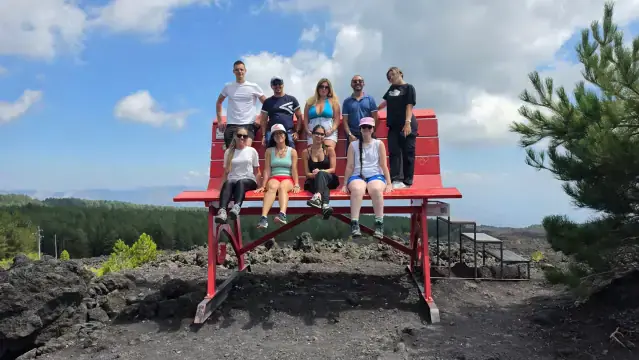
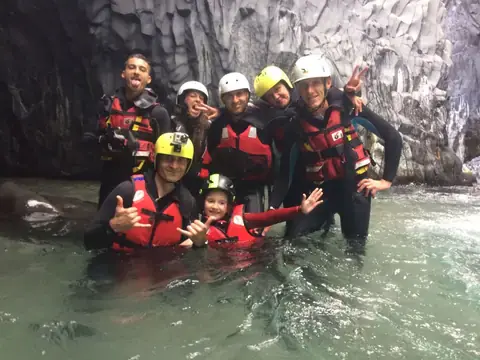
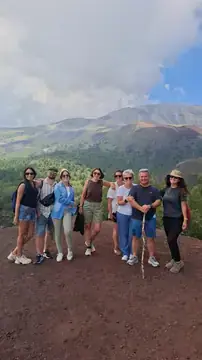
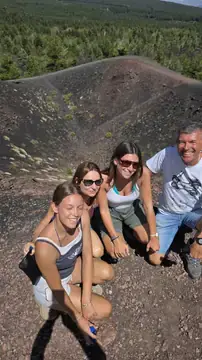
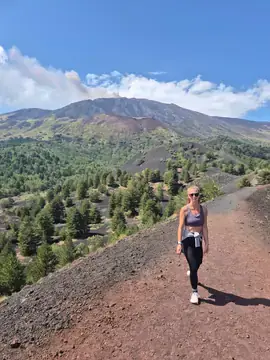
TRAVEL COMPANIONS
Over 100,000 travellers in 15 years: real people, real days out in Sicily. Thank you for exploring the island with us!