
 EN
EN Italiano
 Français
 Deutsch
 Polski
 Nederlands
 Español
 日本語
日本語 Čeština
 简体中文
简体中文 Русский
 Português
 한국어
한국어 Magyar
 Norsk
Norsk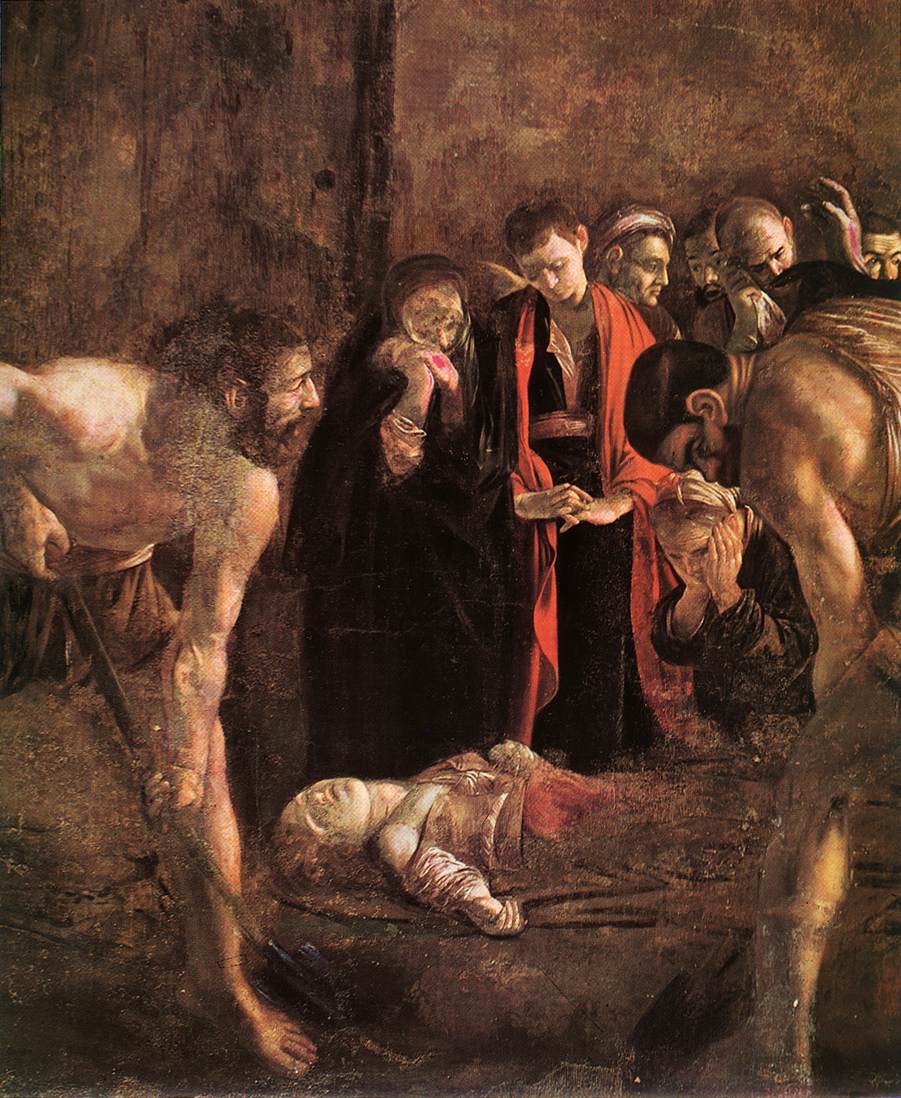
A visit devoted to Sicilian art can begin before the engravings of Levanzo and end before a canvas by Caravaggio. Between these extremes one encounters temples, theaters, mosaics, sculptures, and paintings created for very different purposes. A prehistoric graffito is not interpreted with the same questions one brings to a medieval cathedral; both, however, ask us to consider who made them and what life unfolded around them. To keep the itinerary from becoming a mere list of masterpieces, it is best to follow the shifting settings of art: the wall of a cave, the public space of a city, the church, the residence, and finally the museum that today preserves works created elsewhere.
Prehistory and ancient peoples
The island's artistic history begins with prehistoric evidence, long before the most celebrated Greek monuments. Among these are the engravings of the Grotta del Genovese at Levanzo and those of the Addaura near Palermo, along with finds preserved in the museums of Syracuse, Palermo, and Lipari. Rock engravings are not isolated decorations: they were made on natural surfaces in a context of life we know only in part. Their power lies in making an ancient human presence visible. Weapons, vases, ornaments, and worked stones from later periods then show that the ability to produce useful objects could coexist with the desire to adorn them. Before the great monumental buildings, there already existed a long history of forms, materials, and gestures.
The cultures of the Sicani, the Siculi, and the Elymians expanded this picture. The finds at Sant'Angelo Muxaro, Polizzello, and Segesta reveal a Sicily in contact with Phoenicians and Greeks. These places make it impossible to tell the story of Sicilian art as a simple list of imports. The island's communities received stimuli from outside and transformed them according to their own needs and tastes. Objects linked to worship are particularly important: a terracotta mask, a sarcophagus, or a sanctuary tells of the relationship between images and beliefs. The Tophet of Mozia, dedicated to Baal Hammon, also reminds us that the sacred landscape of ancient Sicily included traditions other than the Greek one.
Greeks and Romans
With the Greek cities, the scale of the works changed. Temples and theaters became elements capable of organizing urban space and giving the community a public face. Agrigento, Selinunte, Syracuse, Segesta, and other centers show how ancient stone still converses with the terrain, the light, and the distance from the sea. They were not monuments born to be visitable ruins: they belonged to living cities, with religious and political activities. The terracotta decorations and carved metopes also show that ancient architecture was not made only of bare columns. Color and images were part of the experience of those who passed through those places.
The Roman period added other spaces and other materials. The restructuring of Sicilian theaters, the amphitheaters of Syracuse and Catania, the baths, the aqueducts, and the mosaics of the villas testify to the Roman presence. These works speak of concrete uses: spectacle, water, mobility, residences, and the display of wealth. The mosaic floors of the Villa del Casale at Piazza Armerina remind us that art can be part of domestic life and not only of places of worship. At the same time, the sculptures preserved in museums show how Greek and Hellenistic models continued to circulate under Roman rule. Political succession did not eliminate earlier languages.
Faith, mosaics and new styles
Christianity changed the places and the meaning of images. Catacombs, basilicas, and churches arose on an island already full of ancient buildings. Some spaces of worship were built on earlier structures; the crypt of San Marziano in Syracuse is an important testimony to these transformations. In the Byzantine period, basilicas and artistic forms linked to the Eastern world continued to appear. Looking at a Sicilian church therefore requires considering both the original design and the interventions accumulated over the centuries. A reused ancient column, a rebuilt apse, or an added mosaic change the way the building is read: they are not disturbances in the narrative, they are part of it.
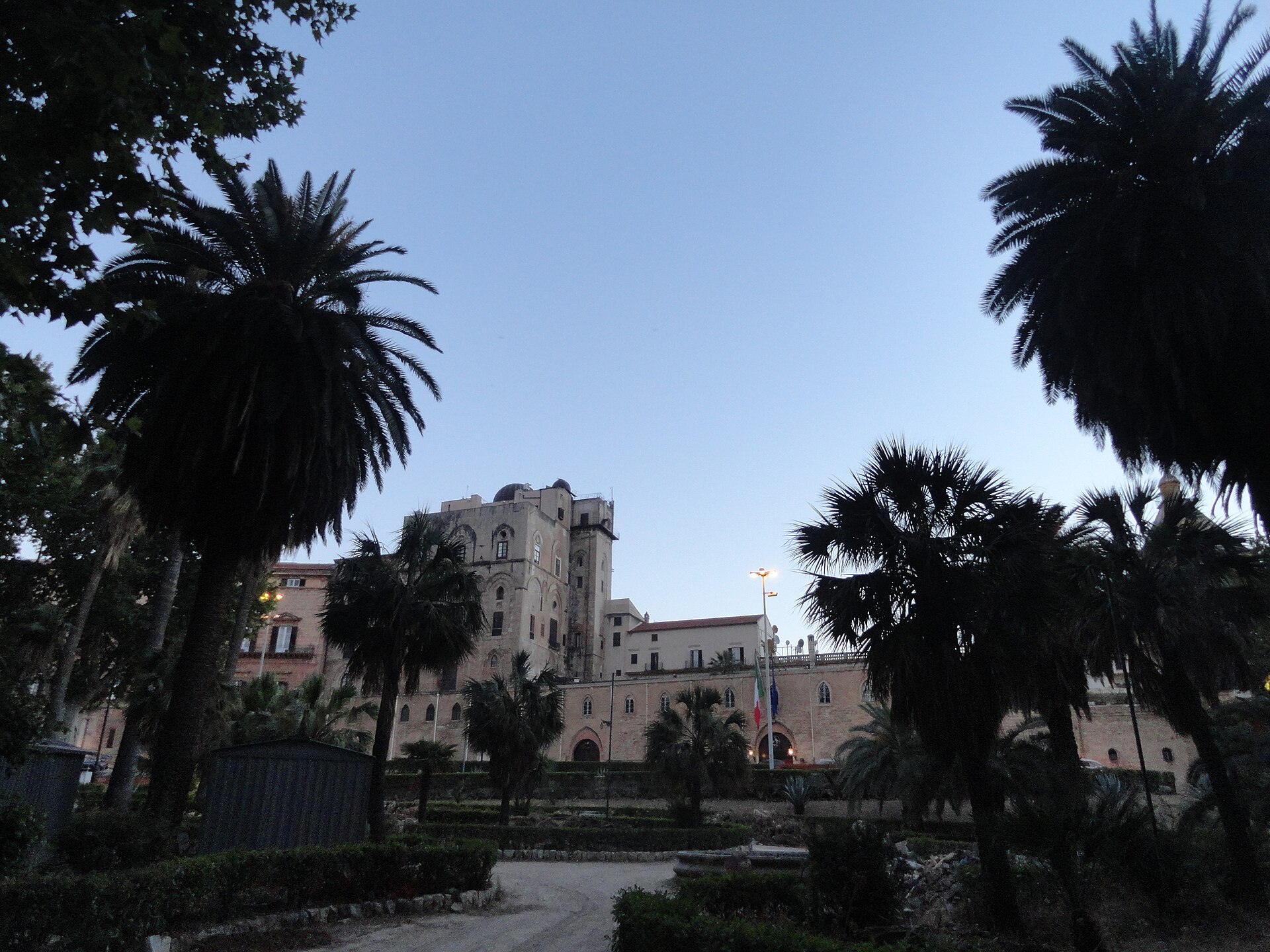
The encounter between Arab, Norman, and Byzantine traditions produced some of the island's most recognizable spaces. Palermo offers the Cappella Palatina, the Martorana, San Giovanni degli Eremiti, and other monuments that make the meeting of traditions visible. Monreale presents a great complex in which church, mosaics, and cloister form a unified experience. Cefalù also shows this fusion: the structure of the cathedral combines solutions of different origins. It is not enough to say that these buildings mix styles: one must observe where the encounter takes place. The external form, the organization of the interior spaces, and the decorated surfaces can tell different stories, the fruit of the work of patrons and craftsmen with multiple skills.
Later eras left other marks. The palaces of the Chiaramonte period, including the Steri in Palermo, and the presence of masters who came from other Italian regions testify to new contacts. Sicilian art continued to be a field of exchanges, even when the centers of power changed. A later example is Antonello da Messina: the Polittico di San Gregorio, preserved in the museum of his city, shows the importance of Flemish influences in his language. Painting shows that an island can be connected to European currents through artists, works, and visual models, just as in the past it had been through trade routes and monumental building sites.
Caravaggio in Messina
The Regional Museum of Messina preserves two paintings by Caravaggio, the Resurrection of Lazarus and the Adoration of the Shepherds. The passage from Greek theaters to these canvases does not indicate a straight line of artistic progress. They are works created for profoundly different functions, audiences, and sensibilities. Placing them side by side, however, allows us to see how much Sicily has been, in different eras, a place of arrival and cultural production. An itinerary that unites archaeological sites, churches, and museums becomes richer when it does not seek a single "essence" of the island. Each stop opens a new question: who looked at those images, what life unfolded in those spaces, and what transformations have allowed them to reach us?
Photo: Caravaggio · Public domain · Wikimedia Commons






















_-_WGA04189.jpg)