EN
EN Italiano
 Français
 Deutsch
 Polski
 Nederlands
 Español
 日本語
日本語 Čeština
 简体中文
简体中文 Русский
 Português
 한국어
한국어 Magyar
 Norsk
Norsk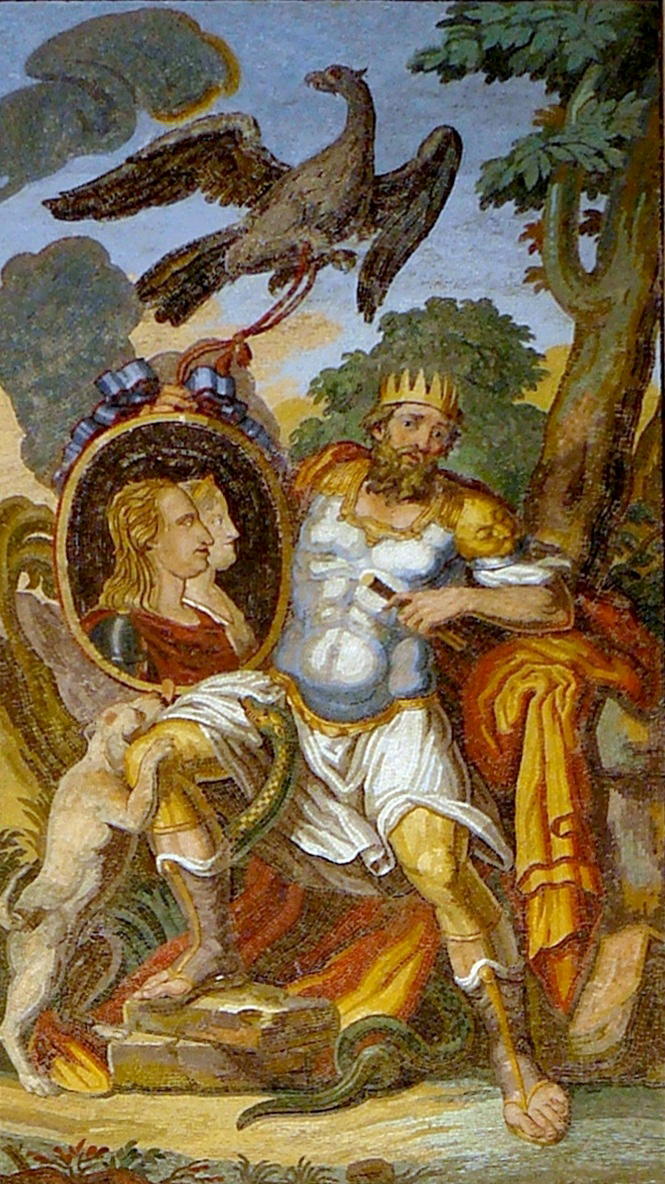
The arrival of the Normans in Sicily took shape while Arab power was going through a phase of crisis. Conflicts among the emirs and various insurrections weakened Muslim authority, creating conditions that facilitated a new conquest. Roger of Hauteville and his brother Robert Guiscard progressively took control of the island between the eleventh century and 1091. To speak of an “arrival” might suggest a sudden landing followed by an immediate replacement of government; it was instead a transformation extended over time, involving cities, countryside, alliances, and differing interests. To understand what it left in the Sicily of today, one must follow both the military events and the reorganization of the state and the work of artists.
The Hauteville brothers
The two brothers had related but not identical roles. Robert Guiscard consolidated Norman dominion in the south of the peninsula; Roger long led the conquest of the island and became its count. The papacy supported the enterprise, also seeing in it a way to strengthen its ecclesiastical influence over Sicily. Later, the Norman sovereigns obtained exceptional religious prerogatives. This intertwining of politics and Church had practical consequences: governing a conquered territory required alliances with bishops, control of ecclesiastical seats, and the consent of communities. It was not enough to win a battle; it was necessary to build institutions that could endure after the military campaigns ended.
Continuity and new palaces
The conquest changed the structure of power, but it did not erase the skills present on the island. Sicily had already known Roman, Byzantine, and Arab administrations; it possessed active cities and communities with different languages and traditions. New governments needed resources and people capable of running offices, commerce, building sites, and countryside. It is precisely this plurality that helps explain the particular character of the Norman age. Its architecture does not appear as the importation of a Northern European model onto empty ground: it was born on an island where artisans, decorative techniques, and ways of building developed in previous centuries already existed.
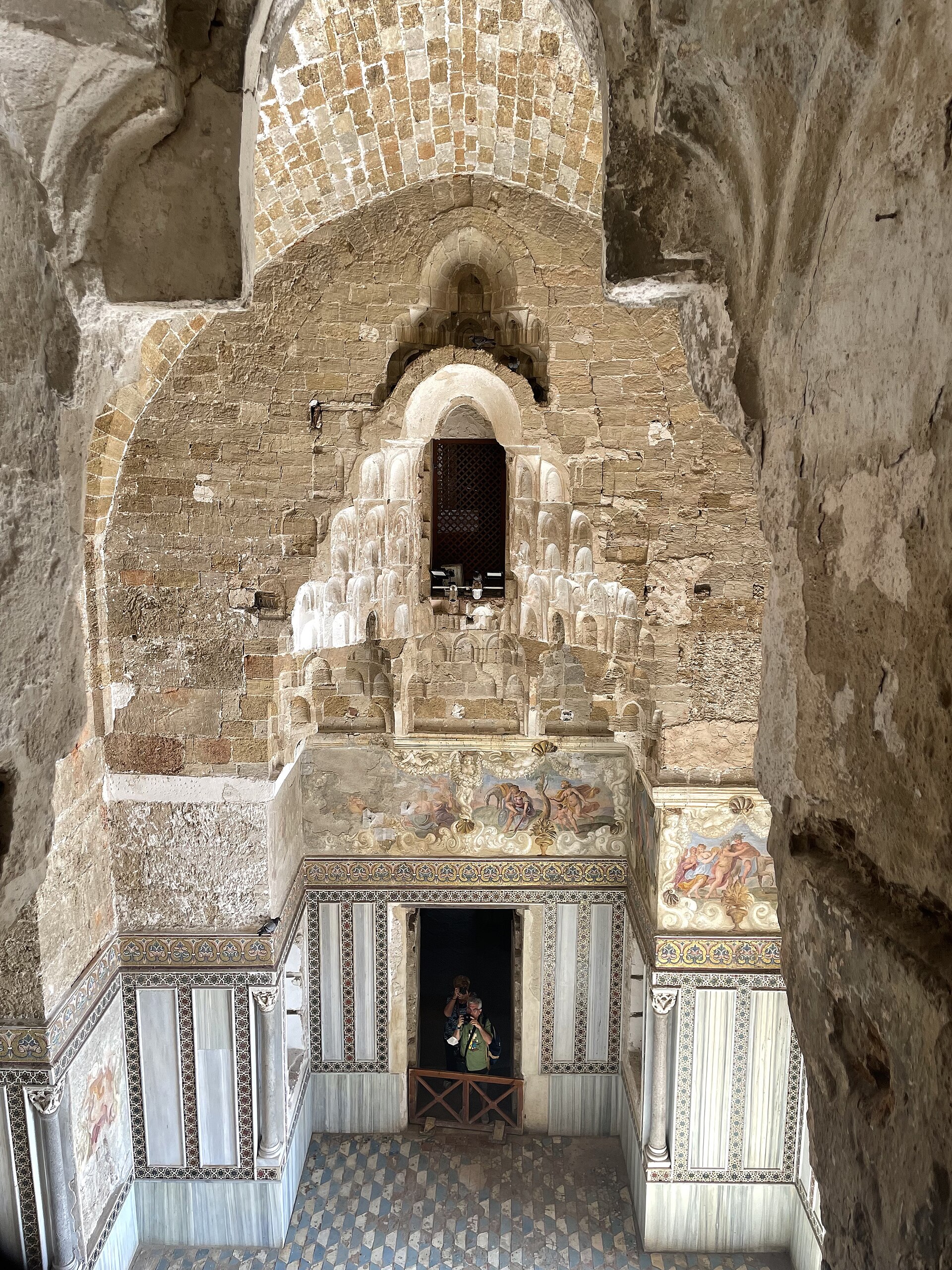
The castle built by Roger at Paternò in 1073 and the Palazzo dei Normanni in Palermo make visible the presence of the new power. They are two different ways of observing power. A castle evokes the need to garrison territory, make authority visible, and protect a strategic point. A palace in the capital expresses daily government, ceremonial, and the capacity to coordinate distant territories. Buildings should not be isolated from the landscape: a fortification makes sense in relation to access roads, settlements, and heights; a seat of government acquires value within the urban network of which it is part. Looking at them this way makes concrete a history that would otherwise remain a succession of sovereigns.
Roger II, King of Sicily
In 1130 Roger II assumed the title of king and united the Norman possessions. Administrative reorganization and the creation of a solid central power made Sicily the fulcrum of a Mediterranean presence. The transition from county to kingdom was decisive because it transformed a collection of conquests into a more stable political structure. It does not concern only the prestige of the crown: it requires officials, revenues, connections between provinces, and an authority recognized in peripheral centers. Institutional history becomes legible when one thinks of these practical activities, from the administration of justice to the maintenance of communication routes.
The era of Roger II is visible in the Cathedral of Cefalù, an example of encounter among different architectural traditions. The towers of the facade evoke Nordic forms; other parts show the contribution of Arab decorative techniques and Byzantine basilical models. One need not look for a “pure” building in order to appreciate it. Its importance lies precisely in the combination of solutions that came from different environments. The building site of a great church was a place of shared labor, in which technical skills and choices of representation could meet. The building recounts together devotion, government, and the skills of artisans of different origins.
Palermo and the rest of the island
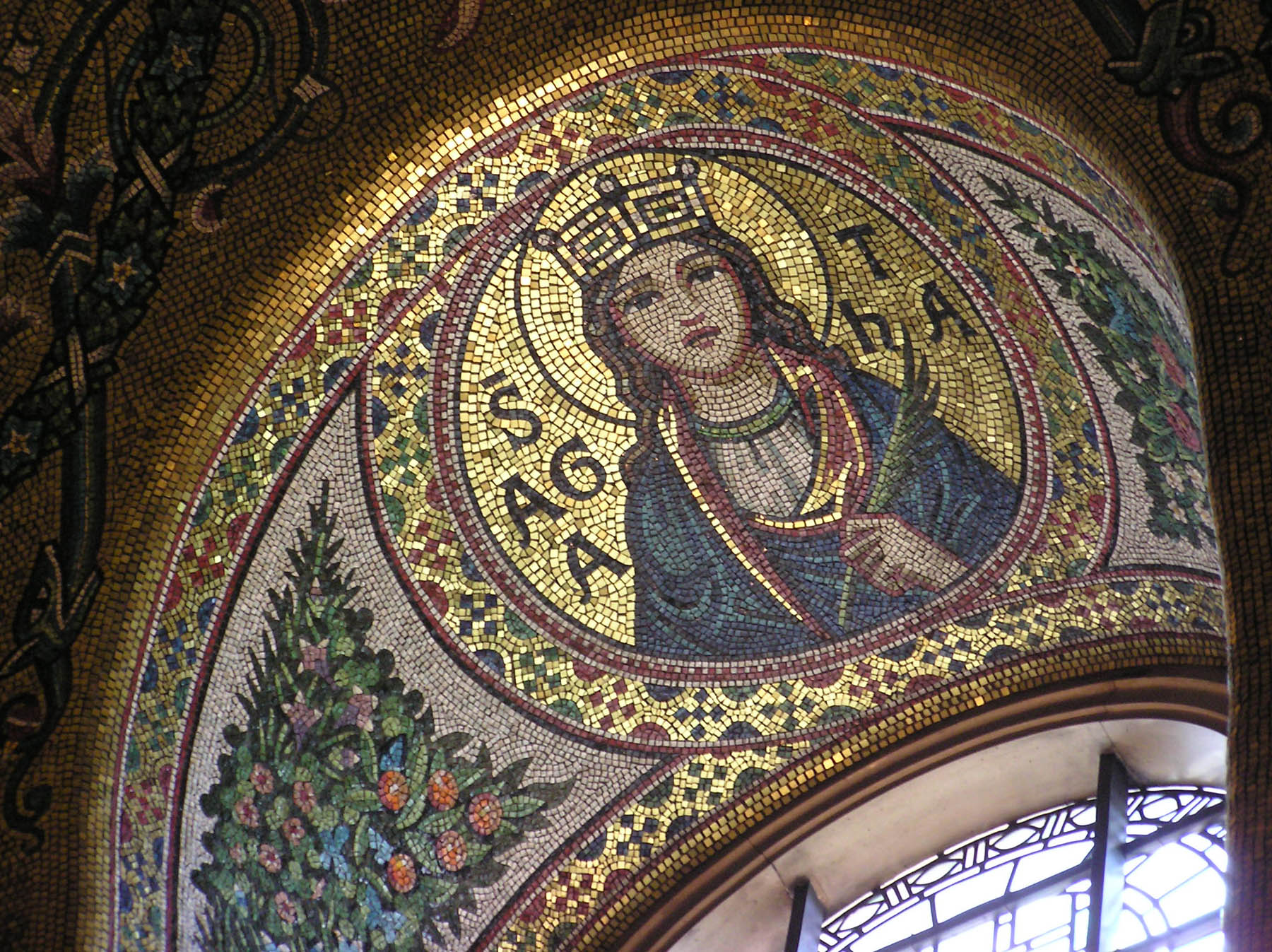
Palermo offers other examples of this stratification: the Cathedral, the Martorana, the Palatine Chapel, and the complex of San Giovanni degli Eremiti. The mosaics take on particular prominence: religious images and luminous materials construct a space intended to impress those who enter. Near Palermo, the Cathedral of Monreale and its cloister show how ambitious royal and monastic building sites could be. Comparing these places helps distinguish different functions: a court chapel, a cathedral, a monastery, and a city church did not respond to the same needs, even when they shared techniques or decorative motifs.
Norman Sicily did not coincide with Palermo. Among the buildings to compare are the Santissima Trinità di Delia at Castelvetrano, San Nicolò Regale at Mazara del Vallo, the Annunziata dei Catalani at Messina, and the Cathedral of Agrigento. These are stages that widen the narrative to different cities and landscapes. The distribution of the monuments suggests how the new power sought to organize and represent the kingdom through numerous centers, not through a single capital. Each building has also undergone subsequent restorations and transformations: what we observe today is the result of a long life, not the intact photograph of the twelfth century. This awareness makes the visit more interesting, because it invites us to recognize the different layers instead of searching for a single date.
The Norman legacy thus lies in the capacity to link conquest, institutions, and cultural production. The rulers changed the political balances of Sicily and southern Italy; their building sites produced an architectural language that used resources of the island and of the Mediterranean. To observe a tower, a dome, or a mosaic without knowing the context risks reducing them to decorative details. Placing them back in relation to the formation of the kingdom, to the communities present, and to the labor necessary to build them allows us to understand why the Norman age occupies such a recognizable place in Sicilian history.
Photo: Memorato · CC BY-SA 3.0 · Wikimedia Commons