EN
EN Italiano
 Français
 Deutsch
 Polski
 Nederlands
 Español
 日本語
日本語 Čeština
 简体中文
简体中文 Русский
 Português
 한국어
한국어 Magyar
 Norsk
Norsk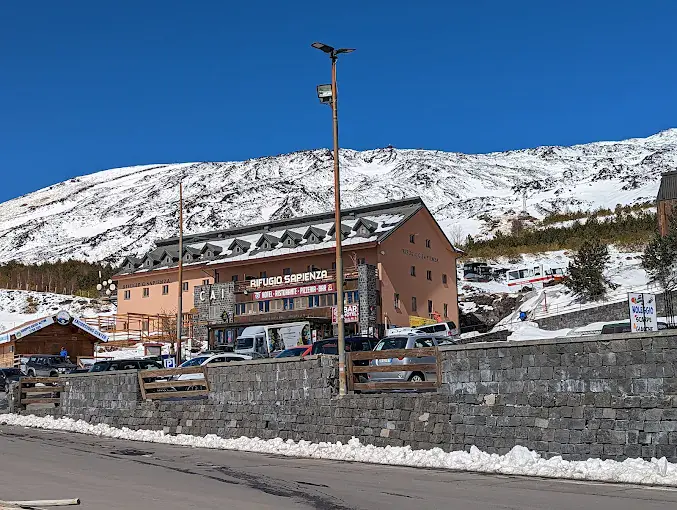
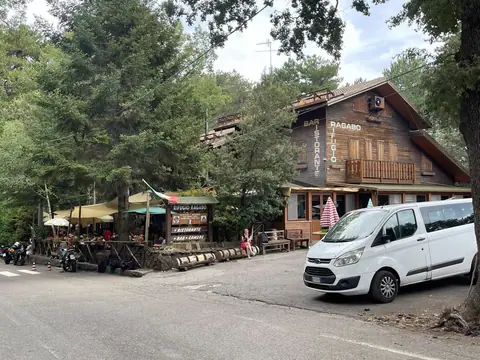
Rifugio Sapienza, located at 1,910 metres in the territory of Nicolosi, is the main reference point for anyone wishing to explore the southern slope of the volcano. Founded after the Second World War by the CAI of Catania section, the refuge is dedicated to the memory of Giovannino Sapienza, an emblematic figure in Sicilian mountaineering. This structure is not just a hotel, but a true monument to human resilience against the forces of nature, witness to decades of coexistence with one of the most active volcanoes in Europe.
The Strategic Position and Accessibility
The choice of location for Rifugio Sapienza is no accident: it stands in a strategic spot that allows easy access to the main attractions of Etna's southern slope. Reachable by car from the city of Catania in about an hour along the provincial road that crosses Nicolosi, the refuge offers ample parking and well-organised services. This accessibility makes it an ideal destination for both families and more experienced hikers, creating a meeting point between mass tourism and specialised mountaineering.
Resilience Against Volcanic Eruptions
The history of Rifugio Sapienza is characterised by a constant struggle against eruptive activity. During the events of 1983, 2001 and 2002, lava flows lapped and sometimes destroyed the surrounding infrastructure, such as the cable car. However, the central body of the refuge has always been successfully defended, often through the creation of artificial embankments and the timely intervention of civil protection.
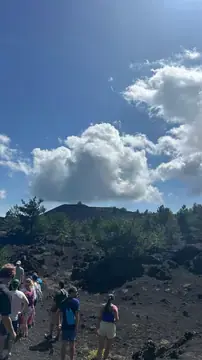
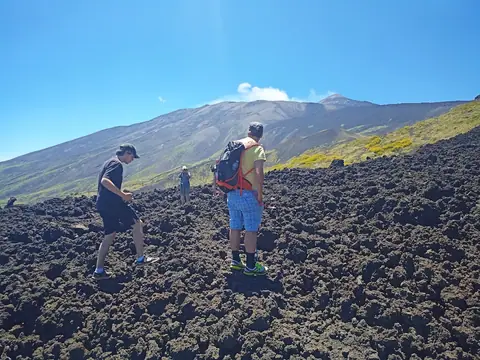
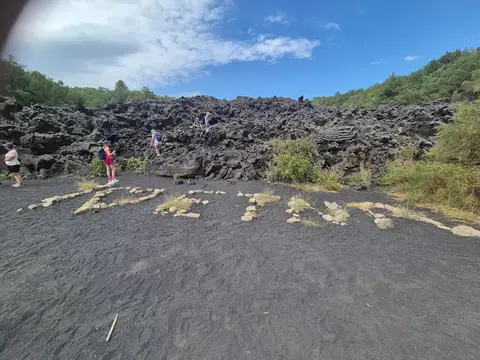
The 2001 eruption was particularly dramatic: the tongues of lava stopped just a few metres from the structure, creating a lunar landscape that today attracts thousands of visitors curious to observe the power of the volcano up close. The scars left by these events are visible everywhere: fields of solidified lava, buildings partially destroyed and then rebuilt, roads diverted to bypass natural obstacles. Consequently, today the structure is considered not only a symbol of safety for hikers, but also an example of how humans can coexist with an extreme environment through ingenuity and determination.
Infrastructure and Services
Over the years, the Rifugio Sapienza complex has expanded to include several essential services. In addition to the main accommodation facility, the area hosts restaurants, souvenir shops, rental points for trekking equipment and an information centre managed by the Etna Park Authority. During the winter season, when snow covers the slopes of the volcano, the area transforms into a small ski resort with ski lifts and slopes for beginners.
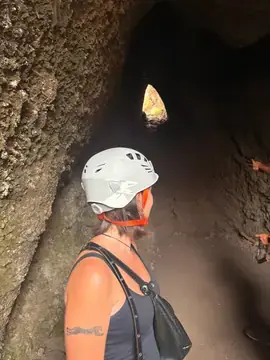
The presence of authorised volcanological guides guarantees safe and informative excursions, allowing visitors to better understand the geology and eruptive history of the volcano. Many of these guides are local experts who know every trail, every lava cave and every hidden corner of Etna, making the experience even more authentic and engaging.
What to Do at Rifugio Sapienza
In addition to offering hospitality and dining, the refuge is the starting point for the Etna Cable Car, which in about fifteen minutes transports visitors up to 2,500 metres. From there, 4x4 jeeps accompany hikers even higher, up to 2,900 metres, where specialised guides lead groups towards the summit craters, always respecting the safety regulations imposed by volcanic activity.
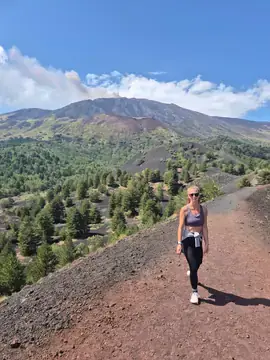
From here it is possible to reach the Silvestri Craters, inactive volcanic cones formed during the 1892 eruption, which offer a panoramic view of the Catania coast and allow you to walk along the edges of the extinct craters. These craters are particularly appreciated by families because they are easily accessible and safe, offering an authentic volcanic experience without requiring particular physical preparation.
Furthermore, for experts, the refuge represents the start of demanding treks towards the Valle del Bove, an enormous natural depression on the eastern flank of the volcano that bears witness to ancient eruptions and structural collapses. This route requires several hours of walking and good physical preparation, but rewards you with breathtaking views and the opportunity to observe secondary volcanic phenomena such as fumaroles and eruptive vents.
The Refuge Through the Seasons
The experience at Rifugio Sapienza changes radically depending on the season. In spring and summer, the landscape is coloured by Etna broom, a pioneer plant that colonises the most recent lava flows with its bright yellow flowers. Temperatures are pleasant, although it is always advisable to bring layered clothing given the altitude.
In autumn, fog can envelop the mountain creating surreal atmospheres, while the colours of the sunset over the Ionian Sea provide unforgettable spectacles. Winter completely transforms the landscape: snow covers everything, creating a fascinating contrast between the immaculate white and the black of the lava. It is in this season that the refuge becomes a destination for skiers and winter sports enthusiasts, offering a unique experience of skiing on an active volcano.
Practical Tips for Visitors
For those visiting Rifugio Sapienza for the first time, it is important to consider some practical aspects. The temperature range can be considerable: even in midsummer, the temperature can drop significantly with altitude and wind. Sturdy trekking shoes are essential, as well as a windproof jacket and sun protection, since the intensity of UV rays increases with altitude.
It is advisable to arrive early in the morning, especially during high season, to avoid the crowds and enjoy greater tranquillity. The cable car can have long queues in the central hours of the day. Bringing water and snacks is always a good idea, even though bars and restaurants are available in the area.
Discover our Etna excursions