
 EN
EN Italiano
 Français
 Deutsch
 Polski
 Nederlands
 Español
 日本語
日本語 Čeština
 简体中文
简体中文 Русский
 Português
 한국어
한국어 Magyar
 Norsk
Norsk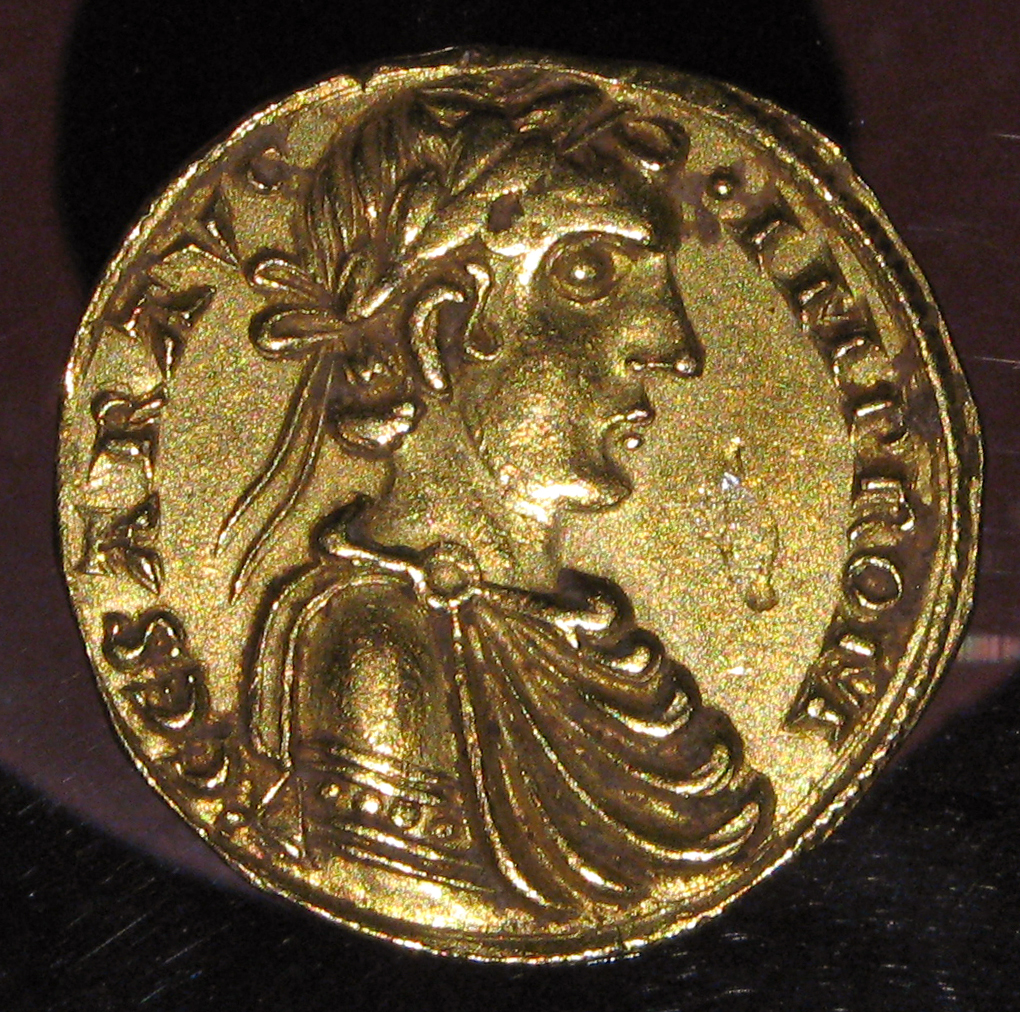
Frederick II inherited a Sicily already transformed by the Normans into an important kingdom. His story therefore begins before his reign, in the dynastic choices that bound the Sicilian monarchy to the House of Swabia. The marriage between Henry of Swabia and Constance of Hauteville, heir to the Norman dynasty, united territories that extended well beyond the island. When Frederick assumed power, Sicily was part of a vast political entity, with governing problems and opportunities for exchange equally great. This context explains why his court cannot be described as an exclusively local phenomenon: it had Sicilian roots, but it was in constant dialogue with Italy and with other European and Mediterranean countries.
A court on the move
The education of a sovereign who governed far-flung dominions required an administration capable of circulating orders, resources, and people. Castles, palaces, seats of power, and a network of cities involved in the life of the kingdom make visible the political weight of that system. Enna, Syracuse, Augusta, and Catania preserve places linked to Frederick's memory or to the fortifications of the Swabian era. Each stop recalls a concrete function. A fortress defended and represented authority; a court organized audiences and decisions; a port city connected the island to other territories. Medieval power needed all these spaces.
Frederick's court was an itinerant cultural crossroads, where people and ideas met during constant movement. The image is apt because the sovereign and his entourage traveled, carrying with them officials, men of culture, artists, and political relationships. A mobile court did not necessarily lose its identity: it could, in fact, connect different places and circulate ideas more rapidly. For Sicily this meant engaging with traditions already present on the island and with people who had come from outside. Arab, Byzantine, and Latin culture added to the Norman legacy and to other European voices. The richness of that world was not born from the simple proximity of peoples, but from the work of those who translated, studied, wrote, and built.
The Sicilian School of poetry
One of the most remarkable outcomes was the poetry of the Sicilian school. Among the protagonists of the Sicilian school were Jacopo da Lentini, Cielo d'Alcamo, Stefano Protonotaro, Rinaldo d'Aquino, Giacomino Pugliese, and Guido delle Colonne. These are names that help give concreteness to a label often repeated without explanation. Around the court a body of poetry in the vernacular developed, linked also to the tradition of the Provençal troubadours and to other literary models. Jacopo da Lentini is often associated with the probable invention of the sonnet. Even leaving open the questions scholars continue to debate, the essential fact is clear: Sicily contributed decisively to the history of the Italian poetic language, and did so in a politically and culturally international environment.
Court poetry was not merely an ornamental pastime. Choosing a language, reworking metrical forms, and staging themes of love meant creating a new way of expressing oneself and recognizing oneself as a group. Behind every text there were precise skills, relationships with earlier models, and listeners capable of grasping its nuances. The case of Stefano Protonotaro, of whom a complete text survives in the language of the period, makes clear how precious the material transmission of works is. Of many medieval voices we know only copies, fragments, or modified versions. A brilliant court has come down to us through fragile documents: its story depends also on what has been preserved.
Science and castles
The protection offered to men of science further broadens the court's cultural picture. The court's curiosity did not end with poetic writing. Knowledge circulated through observation, discussion, and contacts with different traditions; in a center of government it could find interlocutors and resources. Speaking of a "cultured" sovereign is, however, less interesting than asking how a cultural environment functioned: who frequented the court, what tools they used, in what languages they communicated, to what problems they sought answers? Even without every detail at our disposal, these questions prevent us from turning Frederick into an isolated and almost legendary figure. His time was built by the work of many people.
Military architecture bears witness to another side of the same era. The construction of fortresses and castles received new impetus in cities such as Syracuse, Augusta, and Catania, while preserving certain earlier influences. Fortifications did not serve only to withstand assaults. Their position and their bulk made a political presence visible, regulated access, and controlled territories. Frederick's Sicily stood on important sea routes; a well-garrisoned port had military and economic value. Visiting a castle while reading its relationship to coastlines, roads, and settled centers makes clearer why it was built at that point and not elsewhere.
Enna preserves several places associated by tradition with Frederick's era, among them the tower known as Frederician and the Castello di Lombardia: these should be observed as distinct testimonies, without turning them into a single building. The island's interior played as much a role in the kingdom's system as the coastal cities. From Enna one could control territories and transit routes; Syracuse, Augusta, and Catania also responded to the defense needs of their ports. This geography helps explain why the court did not coincide with a single immobile capital. Each monument has, moreover, undergone subsequent interventions: attributing everything visible today directly to Frederick would be misleading. The relationship with his kingdom must be reconstructed by distinguishing memory, dating, and function of the buildings.
The end of the Swabian era
Frederick's death in 1250 and the subsequent dynastic struggles closed this phase of political centrality. The decline of the Swabian dynasty opened the way to new conquests and a gradual transformation of power relations. Frederick's court, however, left a trace that does not coincide with the duration of his reign. The poetic school, the dialogue between traditions, and the architecture of the kingdom continued to be reference points for narrating medieval Sicily. Frederick II is better understood by holding these dimensions together: not a single sovereign before a panorama of castles, but a network of cities, languages, craftsmen, and texts that made the island a place of cultural production.
Photo: Francesco Bini · CC BY-SA 4.0 · Wikimedia Commons





































.jpg)